Column
Our Advertisement in Reader's Digest
Issue of January 2009

What is Flavour?
When we enthuse about a meal, we refer to a meal which has satisfied us in both quantity and quality The former is a tangible attribute. We know if we have eaten enough and we know if we are left craving more. Quality is, however, not so easy to describe. Often we say the meal was just simply delicious. But an actual definition of what ‘delicious’ constitutes is more difficult to grasp.
Many factors help to make our meal delicious. Our state of mind when we eat is important. The environment in which we eat, the people we eat with, the colour, texture, temperature and aroma of food all play a role.
But the overriding contribution to our gastronomic satisfaction is taste.
TASTE INVESTIGATIONS
In last two decades, scientists began to look closely at what inspires ‘deliciousness’. They identified the various taste receptors on our tongues which detect basic tastes like sweet, sour, salty and bitter, plus additional qualities such as spiciness or astringency.
Separate receptors for each basic taste transfer information to the brain through taste nerves. As a result, we recognize different flavours.
In 1908, Dr. Kikunae Ikeda, a professor of science at the Imperial University of Tokyo, took up a study post at Leipzig University in Germany. During his exploration of traditional European fare, he came across a flavour now recognized as an additional basic taste, umami, produced mainly by the amino acid glutamate.
Generations of food connoisseurs have described the subtle savoury or meaty taste of umami as the foundation for what we perceive as delicious.
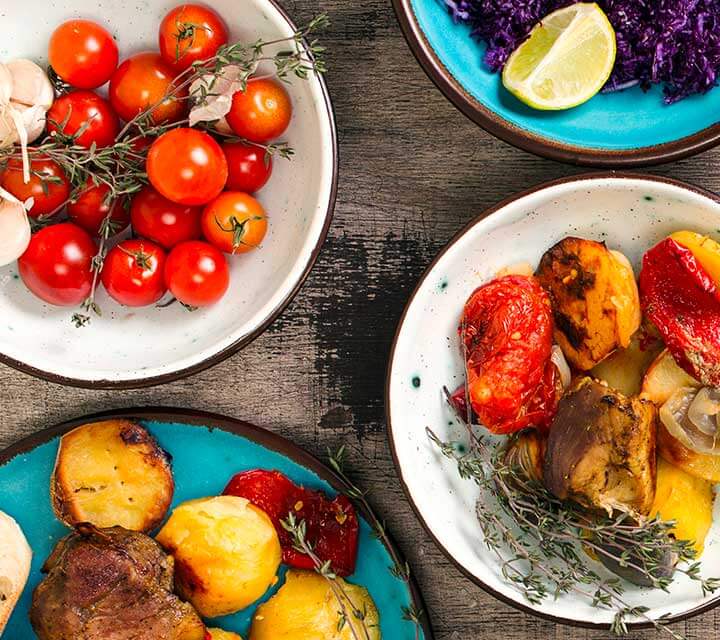
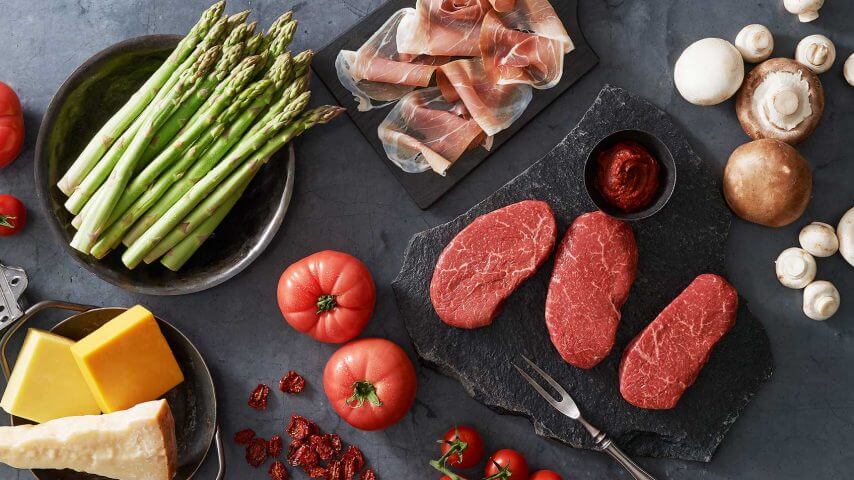
Glutamate is present in most natural foods such as meat, poultry, seafood, vegetables, cheese and milk. Tomatoes are an especially rich source, which is one of the reasons they are used widely throughout the world to impart the taste of umami in a wide variety of dishes.

WORLDWIDE APPRECIATION
When umami is combined with foods which contain other taste substances, particularly nucleotides, inosinate and guanylate, the taste is greatly enhanced. This synergy appears in the traditional cuisine of regions around the world, demonstrating that this savoury combination has been widely recognized for centuries.
Think of chicken broth with white cabbage in China, kombu with dried bonito in Japan, beef with onion in Europe.
Written records show that fish sauce, which is rich in glutamate, was popular among the ancient Greeks and Romans as far back as 2,500 years ago. Soy sauce, another glutamate-rich seasoning, became popular in Japan around the 13th or 14th century.
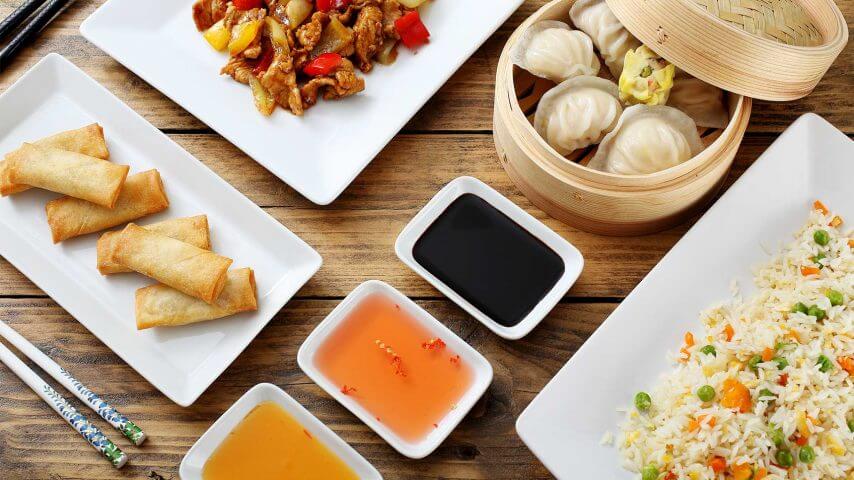
Today wide variety of fermented seasoning including soy sauce and fish sauce are standard accompaniments at the meal table throughout Asia.