jump to the contents
Features

Column

اختيار اللغة

Our Advertisement in Reader's Digest
Issue of April 2009

Image

Bringing umami to World Cuisine

Although umami was only identified in the 20th century, this elusive but elegant taste has aroused palates around the world for many generations.

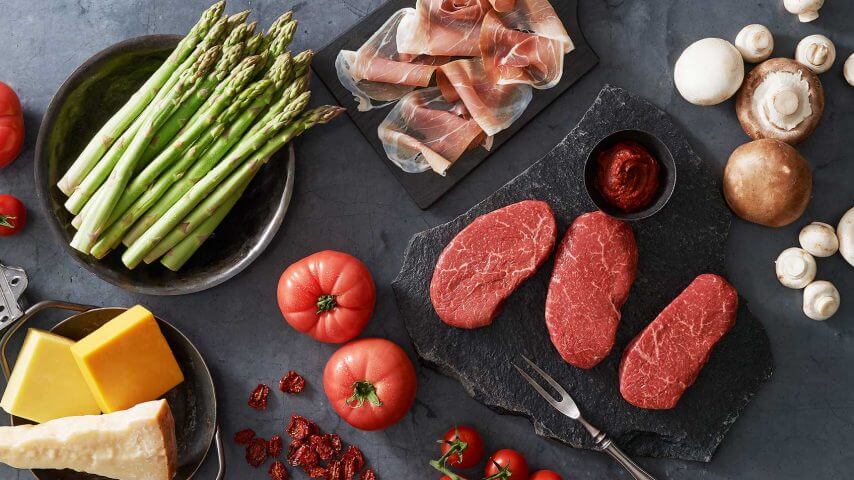
umami is one of the five basic tastes, alongside sweet, sour, salty and bitter. In Japanese, the word appropriately means good flavour. umami is a taste that originates in glutamate, one of 20 amino acids which are present in most natural foods such as meat, poultry, seafood, vegetables, cheese and milk. Glutamate is also the building block for many proteins.

LONG RECOGNIZED

Chefs have long acknowledged the vital role that umami plays in enhancing the deliciousness of the four natural flavours and creating a taste which is subtle yet distinctive, enduring long after other tastes have faded. This explains the generous use from time immemorial of fermented ingredients in traditional dishes around the world. The process of fermentation releases glutamate from protein in the foods, hence increasing the umami taste.

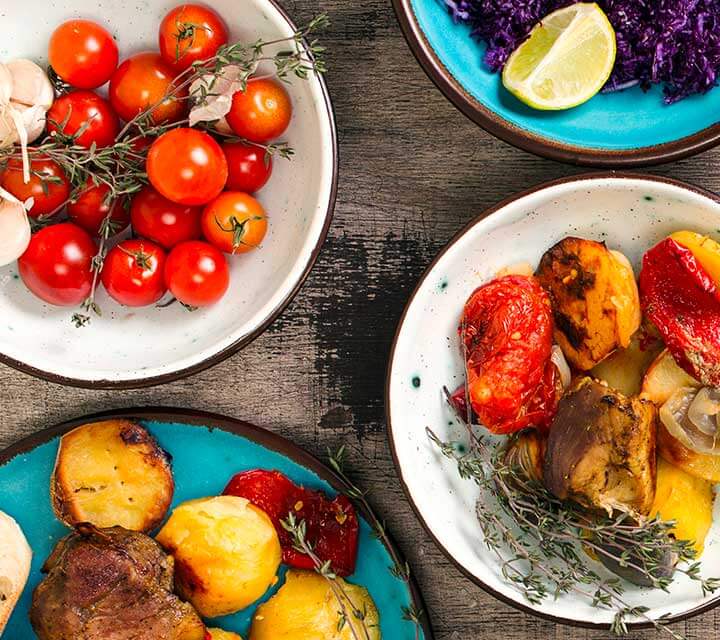
Popular dishes around the world benefit from the addition of ingredients we now know to be rich in umami. Think of the intense flavour and harmony which soy sauce brings to beef and vegetable stir-fry dishes. Remember the Chinese chicken broth with white cabbage which you enjoyed, or the culinary sensation of the miso-based soups or kombu with dried bonito of Japan. Add beef with onion in Europe or a well-garnished hamburger in the U.S. to your list of favourite meals.

But there is one meal which stands head and shoulders above the rest when it comes to global popularity and accessibility - and for bringing together many different sources of umami in one dish. That dish is pizza.

Originally a staple dish in the kitchens of Italy, pizza with its combinations of cheese, pepperoni, mushrooms, tomatoes and anchovies now tantalizes taste buds in virtually every corner of the world.

Combined with other foods, these vegetable ingredients are revered for their ability to lend dishes an umami taste far stronger than any individual ingredient.

Add ripened tomatoes and your pizza will be even more mouth-watering. The glutamate content of tomatoes is already extremely high and that increases with maturation.

Chefs are, however, still not content with the range of umami -rich dishes on the menu and constantly seek new and exciting culinary combinations to unleash the full gastronomic potential which umami holds.

Image

A KITCHEN ESSENTIAL

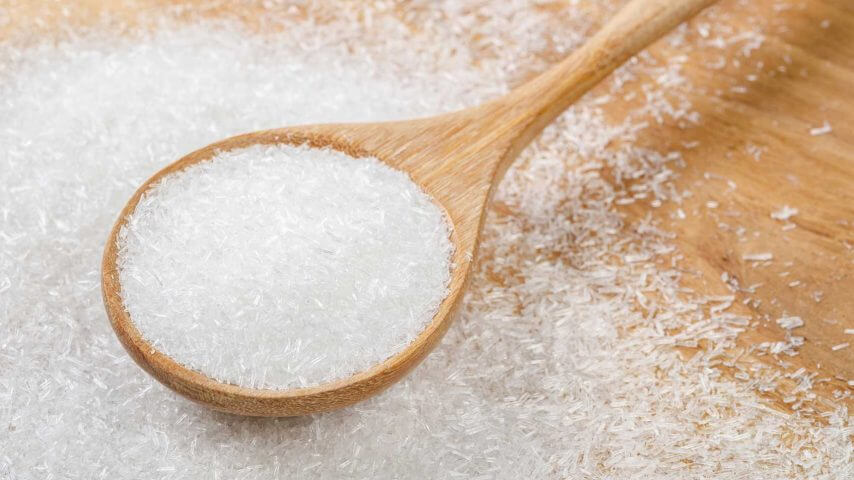
In much the same way that fermented sauces and flavourings have been a central ingredient of traditional cooking methods, AJI-NO-MOTO® commands worldwide popularity as a gastronomic accessory integral for bringing out the umami qualities of foods.

Connoisseurs in more than 100 countries and regions agree that AJI-NO-MOTO®, made through the fermentation of natural ingredients such as sugarcane, corn and tapioca, goes beyond simply adding flavour to food. They say it dramatically deepens the pleasure of dining, adding a smooth, rich and fullbodied dimension.

AJI-NO-MOTO® may have its origins in Japan more than 100 years ago, but this ingredient now transcends geographical boundaries and cultures bringing a timeless pleasure to dining tables in all parts of the globe.