Along with society
Ajinomoto Group communicates sustainability efforts at COP30

Raising awareness of global social issues with diverse participants
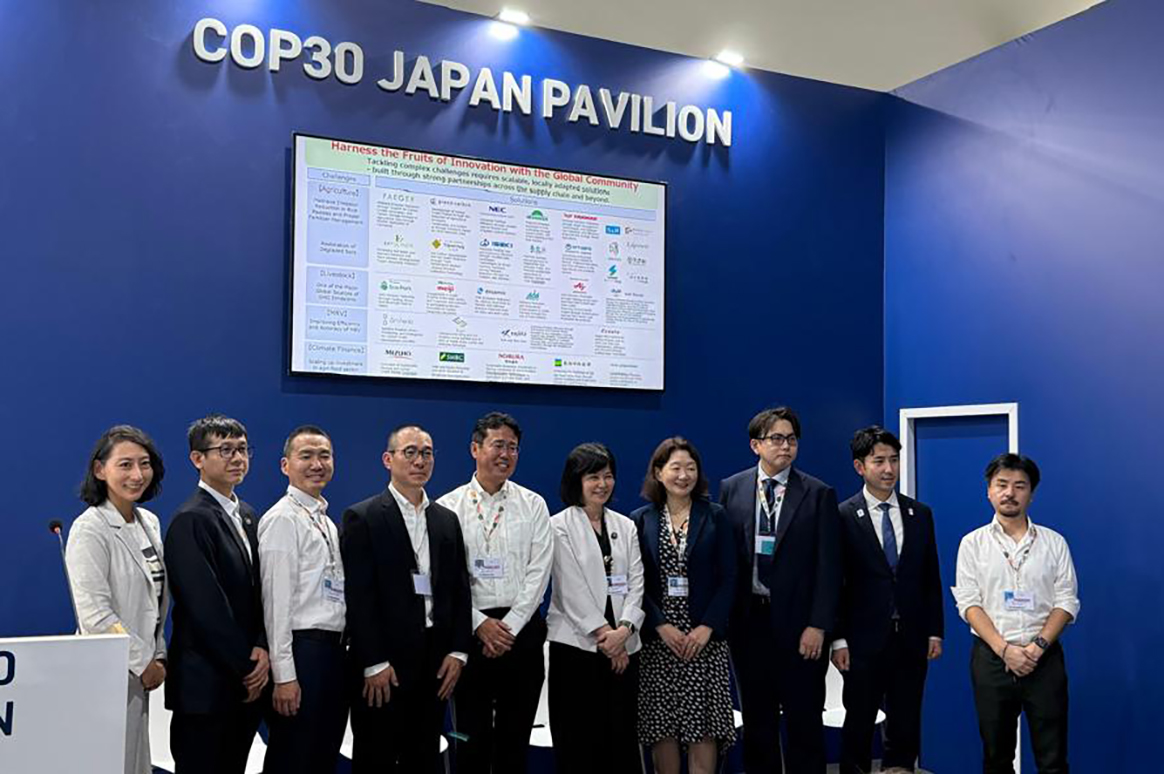
The Ajinomoto Group participated in the 30th Conference of the Parties (COP30) to the United Nations Framework Convention on Climate Change (UNFCCC), held in Belem, Brazil, from November 10 to 22, 2025, as part of our efforts to achieve a sustainable society. Governments, NGOs, and private companies from around 200 countries attended the conference despite the venue’s limited accessibility. COP30 reaffirmed that climate change, biodiversity, and sustainable agrifood systems are social issues that require immediate action.
The Ajinomoto Group is committed to leveraging our strengths in "AminoScience" to address climate change, soil degradation, and other complex issues. We also aim to build scalable solutions rooted on site through strong collaboration throughout the supply chain and with diverse partners.
Solving agricultural issues through the power of innovation
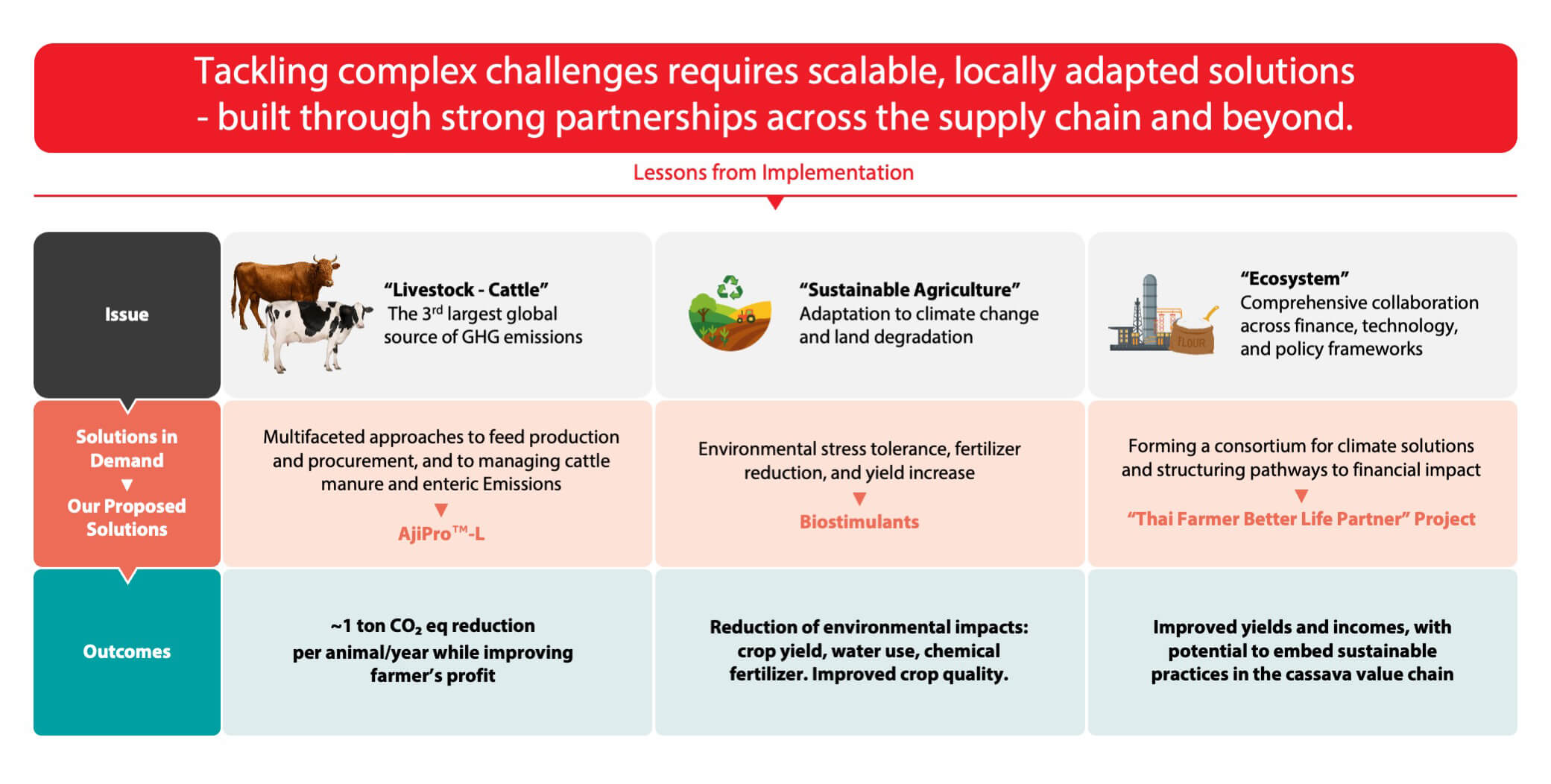
Greenhouse gases have a significant impact on climate change. Livestock, especially cattle, are the third-largest source of GHG emissions in the world. However, dairy products and meat remain important foods from a nutritional standpoint, and stopping livestock production is not practical. The Ajinomoto Group offers AjiPro™-L, a lysine formulation developed by the Group for cattle that increases the availability of lysine, an amino acid that is often lacking in feed. Improving feed with AjiPro™-L can both reduce GHG emissions by approximately 1 ton of CO₂ per cow per year and increase farmer income.
- Stories > More Sustainable Dairy and Beef Farming with AjiPro™-L

- Innovation > Innovation Story>AjiPro™-L
- Along with society > Japan: Efforts to Reduce GHG Emissions and Strengthen the Livestock Industry
- ASV Report 2025 (p.66)
- Sustainability Report 2025 (p.70-73)
Stable crop production through agriculture is essential to feed the world's growing population, but climate change and soil degradation are making stability difficult to achieve. Achieving sustainable agriculture requires improving crop tolerance to environmental stresses, reducing chemical fertilizer use, and increasing yields.
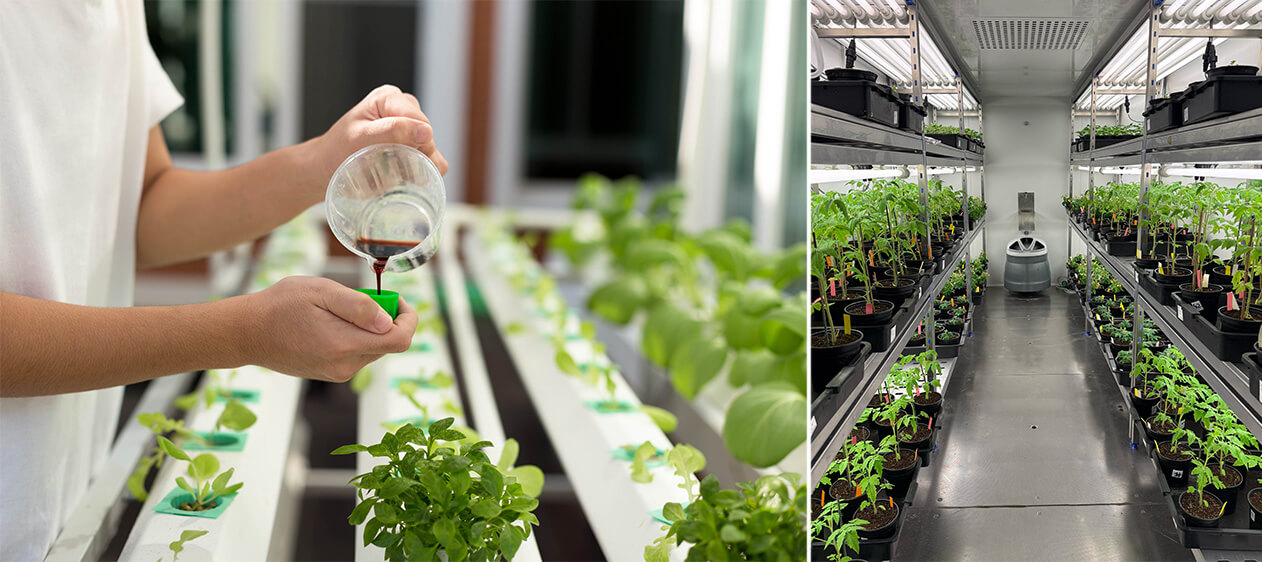
Ajinomoto Group biostimulants, which mainly consist of amino acids, reduce the environmental impact of agriculture by reducing water use and cutting chemical fertilizer use while also supporting improved crop quality.
- Stories > Plant biostimulants: contributing to sustainability by helping farmers adapt to climate change
- ASV Report 2025 (p.47)
- Sustainability Report 2025 (p.86)
Creating greater impact through partnerships
Another essential element in combating climate change is creating partnerships with diverse stakeholders beyond the supply chain. The Ajinomoto Group works to create an ecosystem that will also generate economic impact.
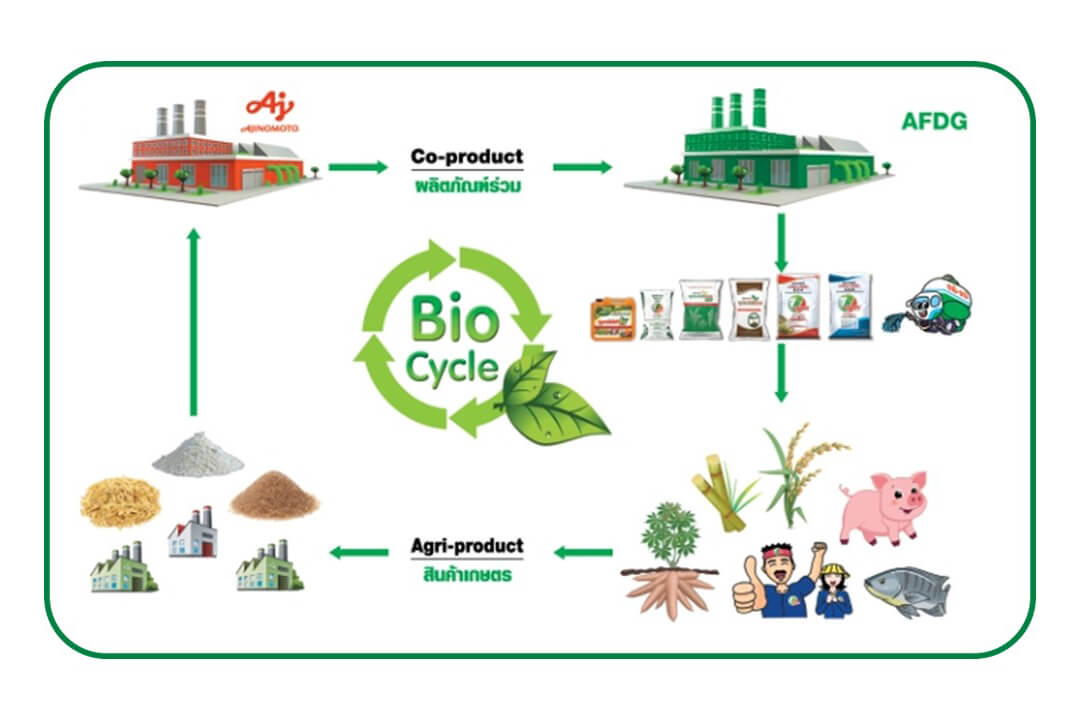
The Thai Farmer Better Life Partner Project is one example of our efforts. This project in Thailand aims to address the challenges farmers face, increase the economic value of crops, and achieve a circular economy.
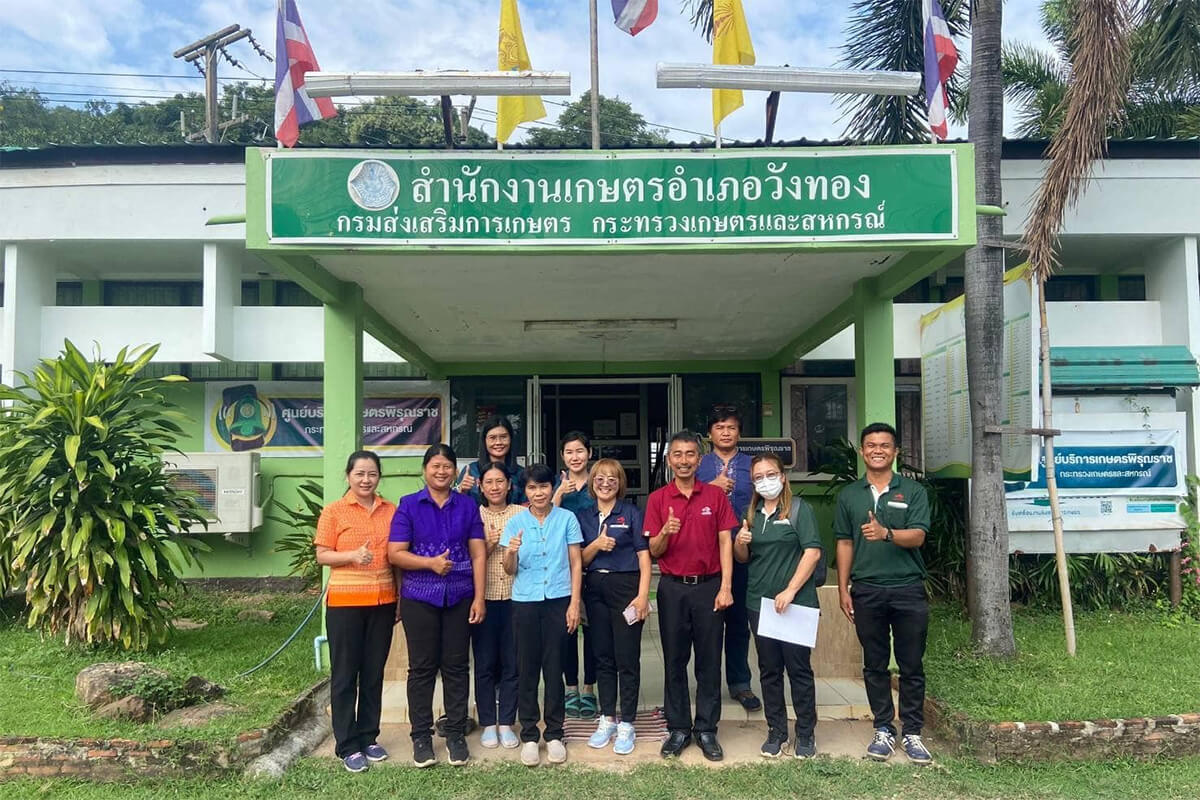
- Along with society > Thailand: Thai Farmer Better Life Partner Project
- ASV Report 2025 (p.67)
- Sustainability Report 2025 (p.85, 87)
At COP30, the Ajinomoto Group joined the Japanese government and like-minded companies to communicate the need for increased funding and broader partnerships in the agricultural sector. The presentation also drew a great deal of interest from attendees, who saw how innovation in agrifood systems that leverages the power of "AminoScience" can help solve climate change-related issues in concrete ways.
The Ajinomoto Group aims to reduce CO₂ emissions by 1.6 million tons per year in the agrifood domain by 2030 in collaboration with global livestock and agricultural producers and national governments. We will continue to engage in activities aimed at achieving a sustainable society through innovation and partnership.