
How Diverse Employees Generate Innovation: “Why the Ajinomoto Group Advanced DE&I” as Told by Executives

Reading Time: 6minutes

Over the past several years, Diversity, Equity & Inclusion (DE&I) has become an increasingly familiar concept in corporate management.
Even so, many people still find it difficult to clearly explain why DE&I matters, or how they themselves should engage with it in their daily work.
At the Ajinomoto Group, diversity initiatives began in the 2000s and were formally updated to DE&I in 2023, positioning DE&I as part of the Group’s management strategy. At the same time, employee feedback has highlighted challenges, such as difficulty in making DE&I feel personally relevant and uncertainty about how to take action.
To explore how DE&I can move beyond a temporary trend and take root as corporate culture, we spoke with three members of the Ajinomoto Group:

Shino Kayahara, Corporate Executive in charge of Diversity

Rie Akasaka, Manager, Diversity, Equity & Inclusion Promotion Group, Human Resources Department
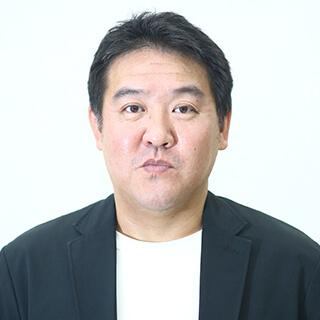
Junichi Oshiro, Global Communications Department
Together, they reflect on why the Ajinomoto Group advances DE&I and how it connects to innovation, organizational development, and ASV.
What Is DE&I? From Recognition of Diversity to Acceptance and Inclusion
DE&I stands for:
- Diversity: differences in knowledge, experience, and attributes
- Equity: ensuring fair opportunities so individuals can demonstrate their strengths
- Inclusion: creating an environment where diverse individuals are respected, accepted, and able to work together
In the corporate context, DE&I refers to embracing diversity, ensuring equitable opportunities, and fostering an inclusive culture so that all employees can fully apply their abilities and continue to grow.
DE&I is increasingly positioned as essential for both the growth and fulfillment of individuals and the sustainable growth of the company.
At the Ajinomoto Group, diversity initiatives began in 2008 under the framework of D&I. In 2023, this approach was formally updated to DE&I, reflecting the addition of Equity and reinforcing its role as part of the Group’s management strategy.
Why DE&I Matters: “Innovation Does Not Come from Homogeneity”
While awareness of DE&I has increased in Japan, the level of practical engagement varies. Because the Ajinomoto Group has worked on DE&I for many years, related challenges have surfaced early, particularly around employee engagement.
To explore these issues, we held a roundtable discussion with Shino Kayahara, Corporate Executive in charge of Diversity; Rie Akasaka, Manager of the DE&I Promotion Group in Human Resources Department; and Junichi Oshiro of the Global Communications Department.
Ms. Kayahara begins by reflecting on what drew her to DE&I in the first place.
“Looking back,” she says, “even before I entered the workforce, I had a vague desire to be involved in work that would reduce inequality and unfairness.”
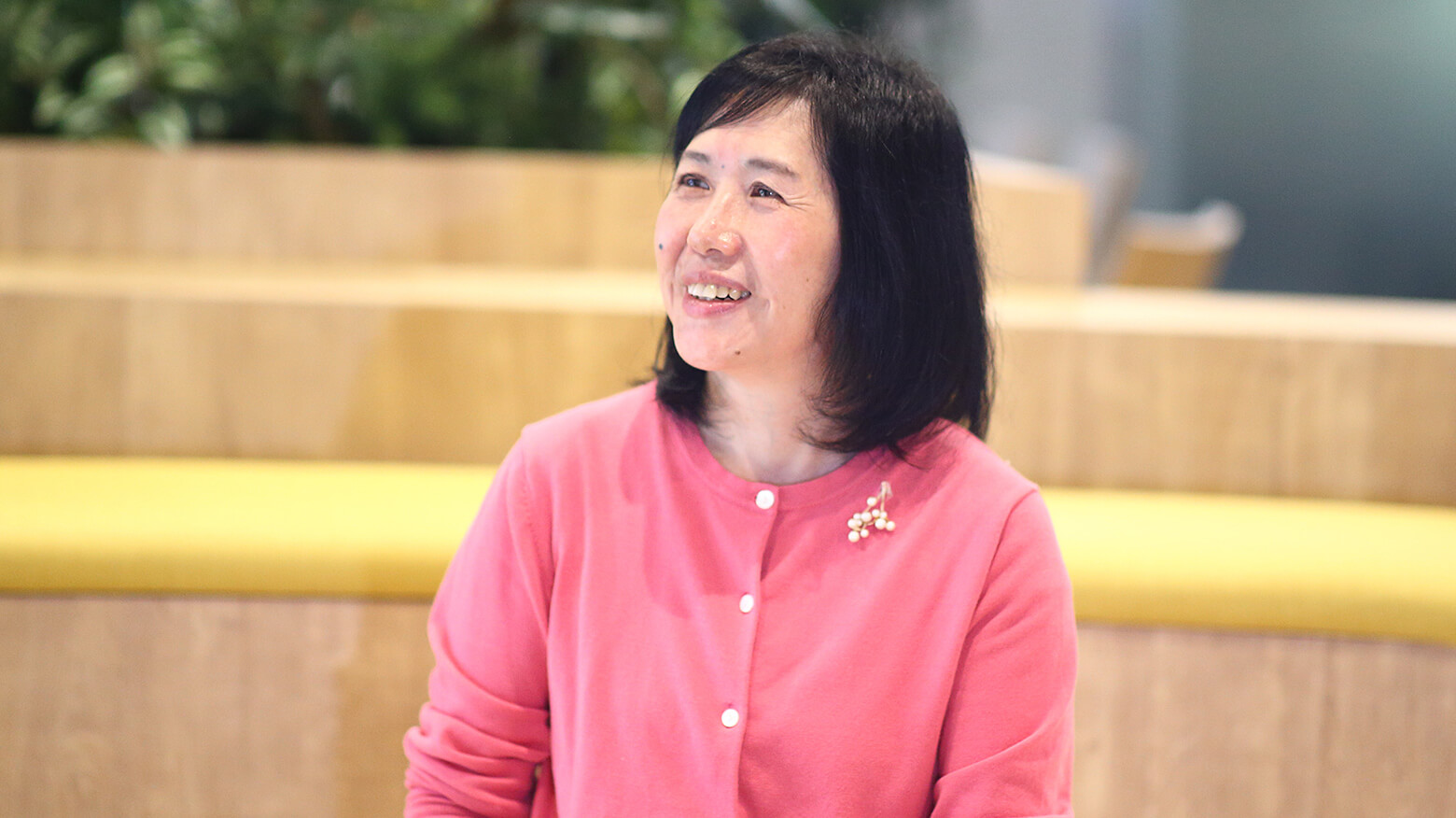
She traces this perspective to her upbringing. Growing up, she often played with a neighborhood child with a disability. “It was natural for me,” she recalls. “If there was something we needed to adjust, we adjusted it. We could play together. We could even argue. That was simply part of everyday life.”
Later, after joining the company in the 1990s, she encountered gender disparities in the workplace. “At that time, the differences were very visible,” she says. “I often found myself thinking, ‘This doesn’t seem right.’ It was the first time I became aware that I was part of a minority.”
As she advanced into management roles, another realization followed.
“When you become a manager or a leader, you begin to understand the perspective of the majority. Without realizing it, you may start aligning yourself with that majority,” she explains. “If we all become homogeneous, then there is no reason for diversity to exist.”
This experience shaped her conviction that DE&I is not merely a social initiative, but a strategic one.
“Innovation does not emerge from a homogeneous group,” Kayahara says. “New ideas arise where different knowledge, experiences, and attributes intersect.”
Diversity across age, nationality, region, gender, and disability status brings unexpected viewpoints and fresh thinking. “Innovation is not something only a special genius creates,” she adds. “It can emerge when people with different perspectives work together.”
Despite broad awareness of DE&I, Kayahara notes that one fundamental issue remains.
“Many employees understand the concept of DE&I,” she says. “They know the CEO has positioned it as a management strategy. The ‘what’ is communicated, but the ‘why’ is not fully reaching people.”
As a result, she observes, initiatives and systems sometimes move forward without a shared understanding of purpose. “Policies are created, targets are set, programs are introduced,” she explains. “But if the underlying reason is not clear, DE&I can begin to feel like something separate from one’s own work.”
This concern was reinforced through internal listening conducted across multiple departments and organizational levels.
Akasaka explains, “We found that many employees recognize that the Ajinomoto Group is advancing DE&I. However, when they ask themselves, ‘What should I personally do?’ they often struggle to answer.”
Another insight was the tendency to equate DE&I narrowly with women’s advancement.
“Some people still interpret DE&I primarily as initiatives for women,” Kayahara says. “For example, comments such as ‘For women with families…’ or assumptions about educational background in certain roles were noticeable.”
Akasaka adds that some responses suggested DE&I issues belong only to those directly affected. “We saw opinions such as, ‘Women’s issues should be addressed by women,’ or ‘Challenges faced by people with disabilities should be handled by those individuals.’ There is general agreement in principle, but sometimes a sense of distance in practice.”
Kayahara points out that perceptions around disability can also reveal unconscious assumptions. “Some people still see individuals with disabilities mainly as people who need care,” she notes. “When that mindset exists, DE&I can start to feel burdensome—something extra on top of one’s regular responsibilities.”
Ultimately, she believes this returns to the question of experience.
“If you have never experienced being a minority yourself, it can be difficult to truly internalize the purpose of DE&I,” Kayahara says. “You may understand it intellectually, but it may not feel real.”
So what is needed?
“Opportunities to interact and work together with people who are different,” she answers. “Through those experiences, you may realize that you have unconsciously hurt someone, or that your assumptions were incomplete. That awareness is important.”
To address the gap between WHAT and WHY, a cross-functional group of employees with diverse roles, nationalities, and perspectives came together to develop the Ajinomoto Group DE&I Statement.
“We felt it was necessary to clearly explain why DE&I is part of our management strategy,” Akasaka says. “If someone asks, ‘Why do we have this target?’ we need to be able to answer confidently.”
To avoid the message feeling imposed from above, the Statement was also visualized in a video and shared through the official YouTube channel, inviting employees to engage with it in their own way.
Communicating “What Is DE&I?”: Drawing Out Meaning Through the Power of Video
The Ajinomoto Group created two shared tools:
The Ajinomoto Group DE&I Statement
A video that visualizes the Statement
「DE&I」 at AJINOMOTO GROUP ~Grow Together Diverse 'Individuals' Create Diverse Innovation~
The video aims to support understanding where words alone may not be sufficient.
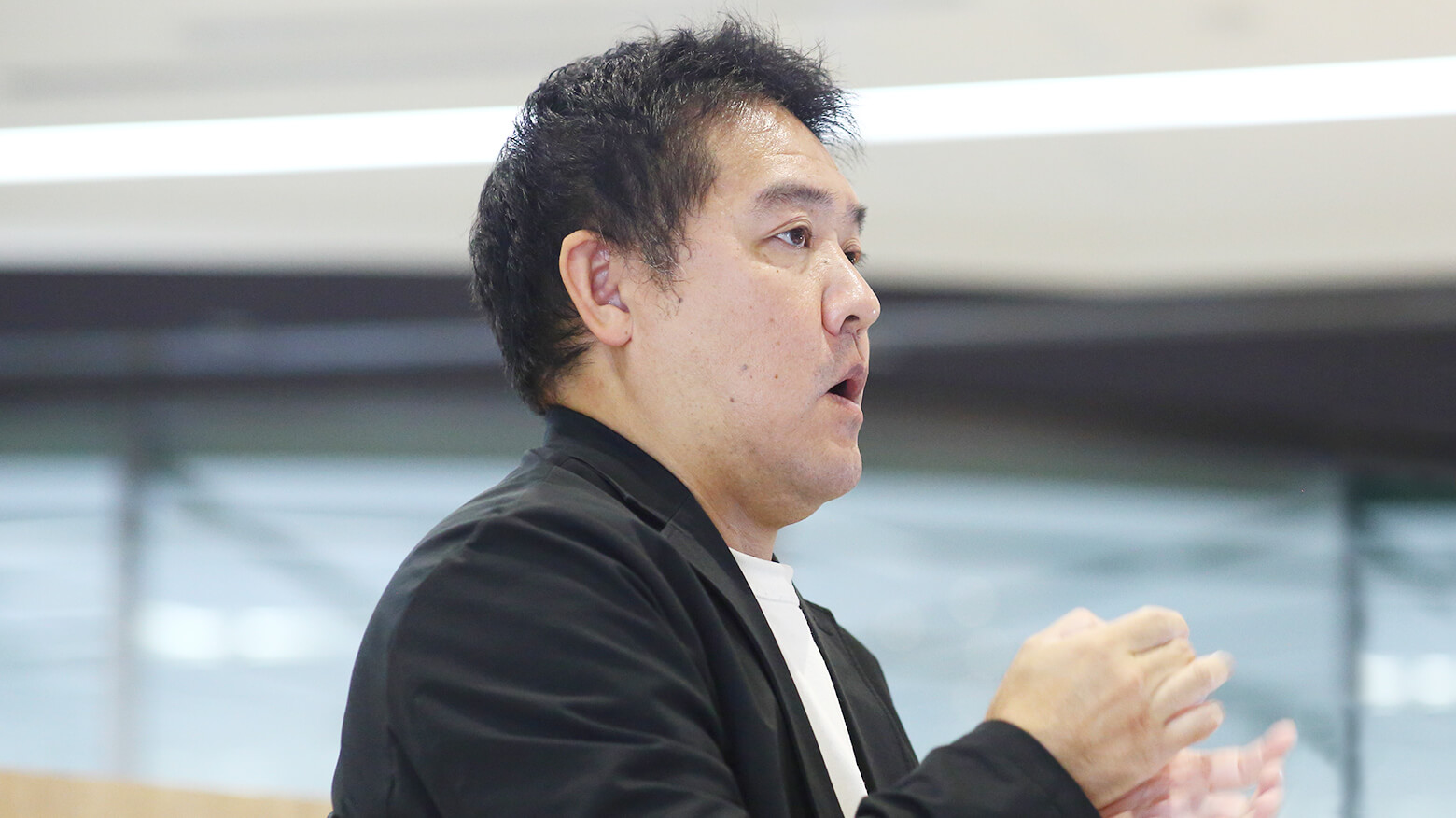
Mr. Oshiro, a member of the Global Communications Department who has been engaged in digital content development across web and social media, explains that DE&I can be difficult to convey purely through explanation.
“Visual expression can encourage reflection and personal interpretation,” he says. The video uses abstract imagery so viewers can connect the message to their own experiences.
The Ajinomoto Group’s Version of DE&I: Advancing Growth Through Co-creation Across Differences in Departments and Borders
Akasaka identifies a key challenge: DE&I is often perceived as something people “have to do.” This can make it feel like a top-down directive, similar to compliance requirements.
However, DE&I is fundamentally different from initiatives implemented solely because they are mandated.
Compliance and harassment prevention focus on prohibited behaviors. DE&I goes a step further:
How do people with different knowledge, experiences, and attributes understand one another?
How do they accept those differences?
How do they collaborate to create new value?
DE&I should not stop at avoiding discrimination; it aims to enable constructive interaction and co-creation. Ideally, it is an activity that employees themselves find engaging and meaningful.
The Ajinomoto Group Way (AGW)
If DE&I is sometimes perceived as an obligation, Akasaka believes the Ajinomoto Group already has the cultural foundation to approach it differently.
“At the Ajinomoto Group, we are not starting from zero,” she says. “The Ajinomoto Group Way (AGW) already contains the values that underpin DE&I.”
One of AGW’s core values is “Respect for People.” For Akasaka, this is not separate from DE&I — it is fundamental to it.
“When we speak about respecting people, it means recognizing each individual’s strengths and creating an environment where those strengths can be demonstrated,” she explains. “That is precisely what DE&I is about.”
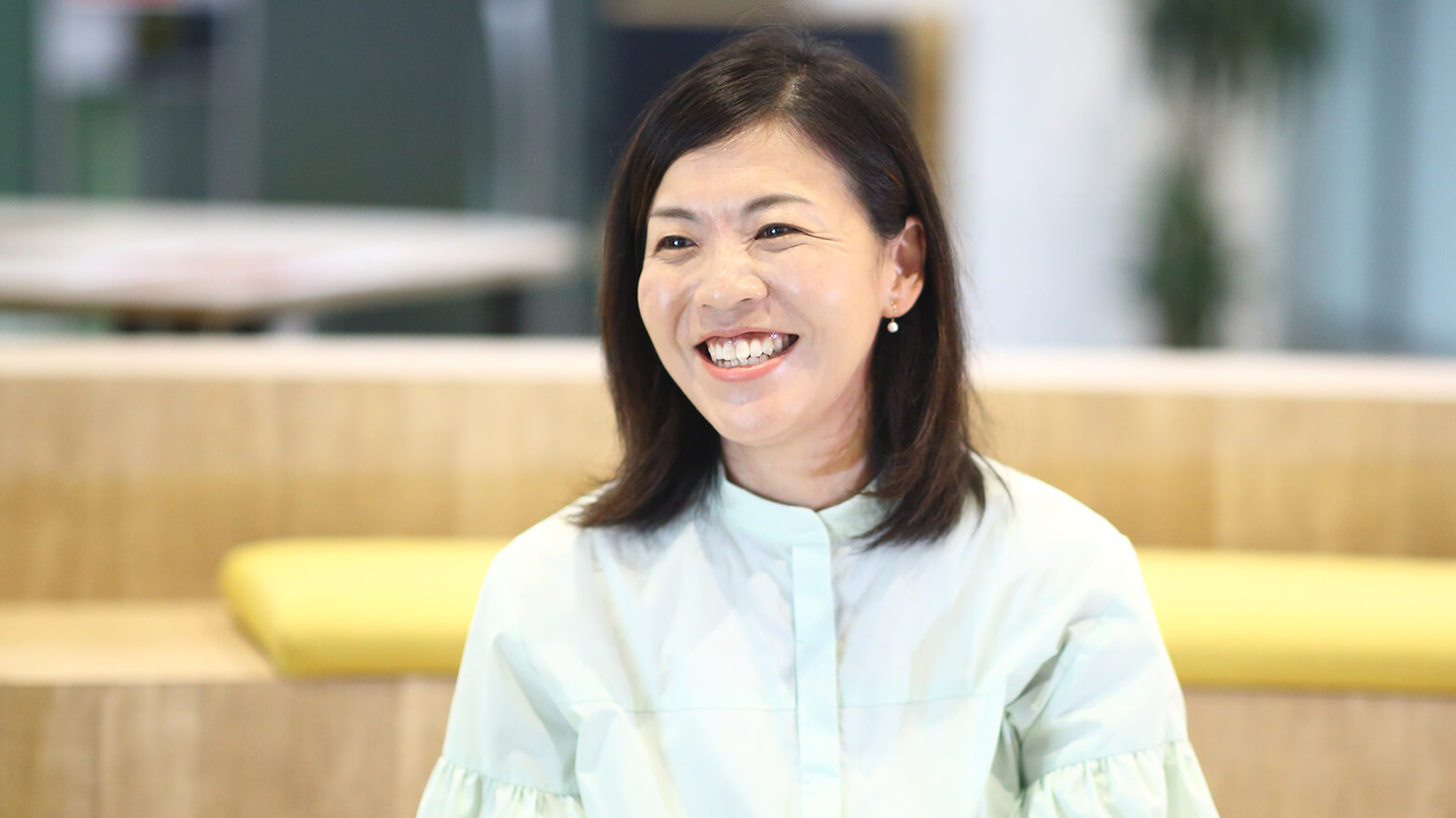
Today, she acknowledges, DE&I has become unavoidable for companies from a CSR perspective.
“From the standpoint of corporate social responsibility, ensuring fairness and inclusion is no longer optional,” she says. “Every company must address these expectations.”
However, she is clear that the Ajinomoto Group’s approach does not stop there.
“If DE&I is treated only as a CSR requirement—as something we must do to meet external expectations—it remains limited,” Akasaka notes. “Our aim is to go beyond that.”
Rather than positioning DE&I solely as fairness or social responsibility, the Group frames it as part of organizational development.
“We focus on how diverse knowledge, diverse experience, and diverse attributes can be integrated into teams,” she explains. “It is about strengthening collective capability.”
This shift changes the nature of the conversation.
“When diversity is seen only through the lens of fairness, the discussion can become defensive,” she says. “But when we look at how different perspectives can contribute to value creation, it becomes forward-looking.”
That mindset connects directly to innovation.
“When people with different knowledge, experiences, and attributes come together, and those differences are valued rather than minimized, something new can emerge,” Akasaka explains. “Innovation is not forced—it arises from interaction.”
She emphasizes that this applies across functions, organizations, and national borders.
“Through mutual respect and collaboration, we can create new value that extends beyond a single department or country,” she says. “That is how DE&I connects to how we create value as a company.”
Ultimately, this approach aligns DE&I with the Ajinomoto Group’s broader management philosophy.
“DE&I is not a standalone initiative,” Akasaka concludes. “It is grounded in AGW, and it supports how we fulfill our purpose through business.”
Two contexts in advancing DE&I
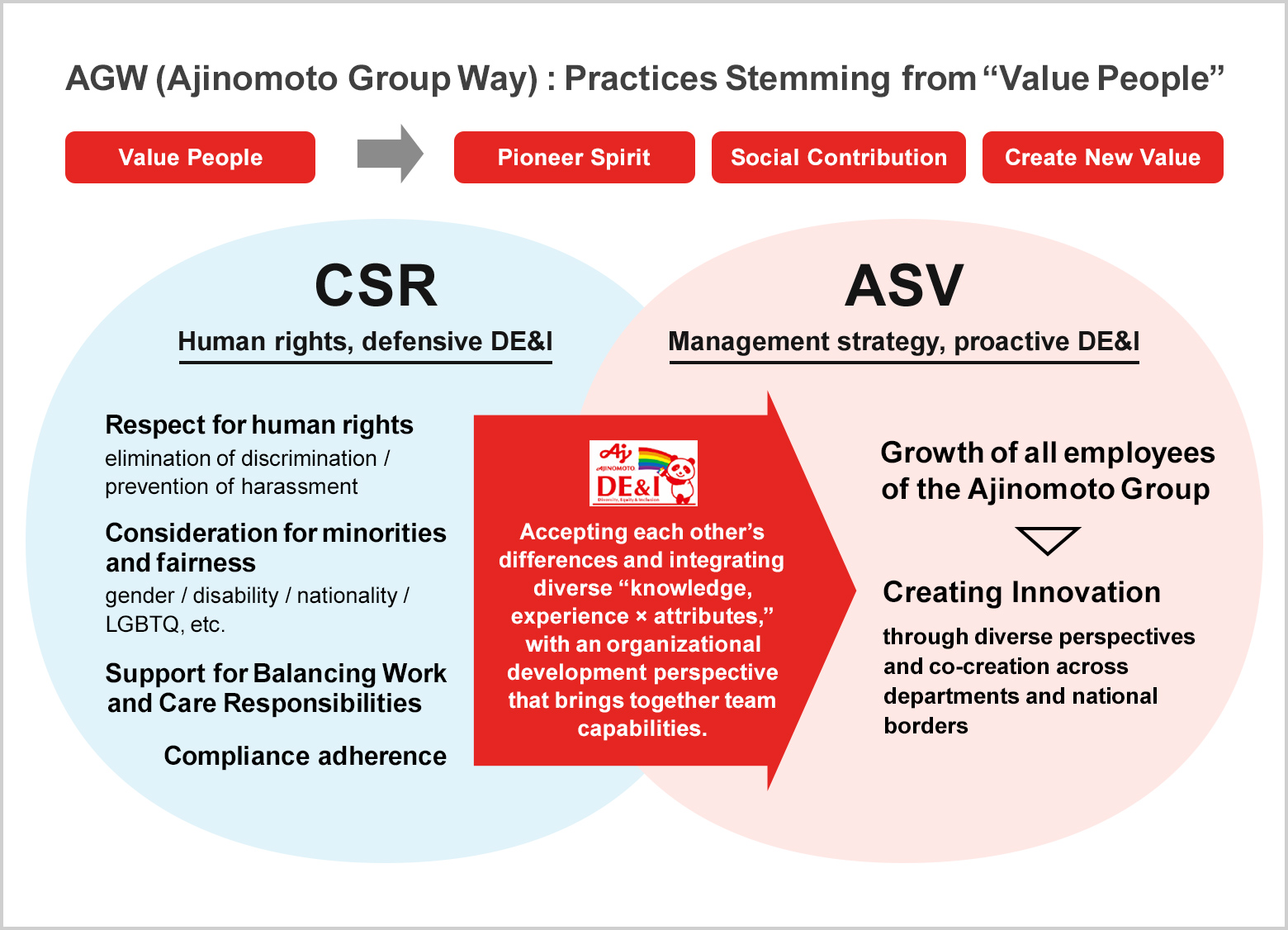
Two contexts shape this approach:
CSR context: emphasizing fairness and inclusion, and ensuring equal opportunity and addressing disparities
ASV context: positioning DE&I as a management strategy while using diversity as a source of innovation and value creation
Advancing DE&I as part of Ajinomoto Group Creating Shared Value (ASV) requires ongoing initiatives and a careful organizational development perspective.
Diversity is not simply about having different people in the same space. Its purpose is to welcome differing opinions, integrate multiple perspectives, and create new value through interaction and collaboration.
The Group’s DE&I initiatives are directly linked to its purpose:
Contributing to the well-being of people, our society and the planet through “AminoScience”.
DE&I at the Ajinomoto Group is voluntary, participatory, and forward-looking. It is grounded in AGW and strategically connected to ASV rather than treated as a standalone initiative.
How the Ajinomoto Group Defines DE&I
In the Ajinomoto Group DE&I Statement, diversity is defined as: “Knowledge and experience × attributes.”
Kayahara explains why this definition matters.
“What we most need for innovation is diversity of knowledge and experience,” she says. “Attributes such as gender or nationality naturally shape the experiences people accumulate. When attributes become more diverse, knowledge and experience become more diverse as well.”
She continues, “If knowledge and experience vary widely, the likelihood that new ideas will emerge increases. That is the environment in which innovation can take shape.”
Rather than focusing solely on surface-level categories, the definition shifts attention toward capability, perspective, and lived experience.
“Diversity is not simply about visible differences,” Kayahara notes. “It is about the different ways people think, what they have experienced, and how they approach problems.”
In 2023, the Ajinomoto Group formally updated from D&I to DE&I, adding Equity.
For Akasaka, this was more than a symbolic change.
“Previously, we focused on increasing diversity,” she says. “But adding Equity allowed us to ask a different question: Are opportunities truly fair in practice?”
She explains that Equity introduces a new lens.
“It helps us identify structural or practical barriers that may prevent individuals from fully demonstrating their strengths,” she says. “It moves the conversation from numbers alone to the actual conditions people face.”
Equity, she emphasizes, is not about preferential treatment.
“It is about enabling people to contribute,” Akasaka explains. “If someone cannot fully leverage their capabilities because of systemic constraints, then we have not created a fair environment.”
Akasaka points to a concrete example.
“One project began through voluntary participation,” she says. “Employees asked: What do mid-career hires need in order to apply their strengths quickly and perform effectively?”
Rather than assuming a uniform onboarding model would work for everyone, the team examined how different backgrounds and experiences might require different forms of support.
“This illustrates that Equity is an enabler,” she says. “It is about creating conditions where diverse individuals can thrive.”
In spring 2025, the Ajinomoto Group held DE&I DAY 2025, an internal forum for sharing and learning.
More than 130 volunteers from Ajinomoto Co., Inc. and Group companies participated, presenting 14 DE&I initiatives.
“For many employees, it was an opportunity to see how DE&I is already being practiced across departments and companies,” Akasaka says. “It created space for dialogue and mutual learning.”
She notes that DE&I was rediscovered as something broader than commonly assumed.
“DE&I is not limited to women or people with disabilities,” she explains. “It includes communication with non-Japanese employees, organizational development efforts, and the ways we support one another in everyday work.”
Participants began to recognize that DE&I relates to many aspects of their daily responsibilities.
“When people realize that their current work already contributes to DE&I, engagement increases,” Akasaka says.
Looking ahead, Akasaka emphasizes that DE&I must continue to evolve at multiple levels within the organization.
“We want to create mechanisms that draw out examples of collaboration across departments and across national borders,” she says. “DE&I should not be confined to one function or initiative. It should be visible in how we work together.”
The goal, she explains, is not only to implement programs, but to strengthen networks of people who are actively advancing DE&I throughout the organization.
“It is not only top-down,” she adds. “We need bottom-up participation as well. When employees themselves see how their work connects to DE&I, it becomes sustainable.”
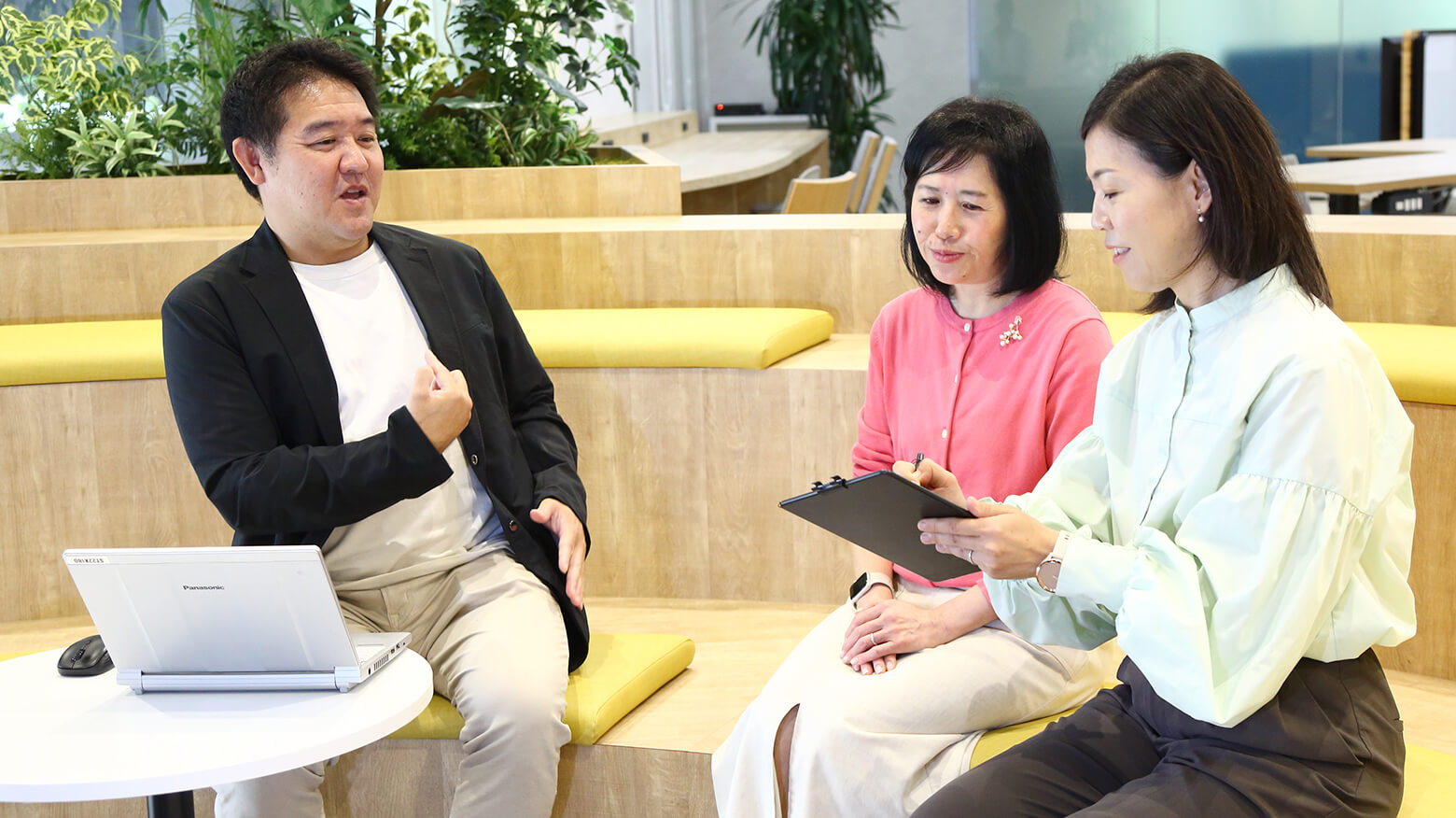
For Akasaka, this is where the connection to the Ajinomoto Group Way (AGW) becomes essential.
“AGW is not separate from DE&I,” she says. “When we practice ‘Respect for People,’ we are already practicing DE&I.”
But the connection does not end there.
“AGW supports how we create value through our business,” she continues. “And that directly links to ASV.”
She explains that DE&I is positioned not only within a CSR framework, but as part of Ajinomoto Group Creating Shared Value (ASV)—the Group’s approach to generating both social and economic value through its operations.
“When we integrate diverse knowledge, experience, and attributes into our teams,” she says, “we strengthen our collective capability. That capability enables innovation.”
And innovation, she emphasizes, is what allows the Ajinomoto Group to fulfill its purpose of contributing to the well-being of people, our society and the planet through “AminoScience”.
“DE&I is not an isolated theme,” Akasaka concludes. “It supports our management strategy. Through AGW, it connects to ASV. And through ASV, it connects to how we create value.”
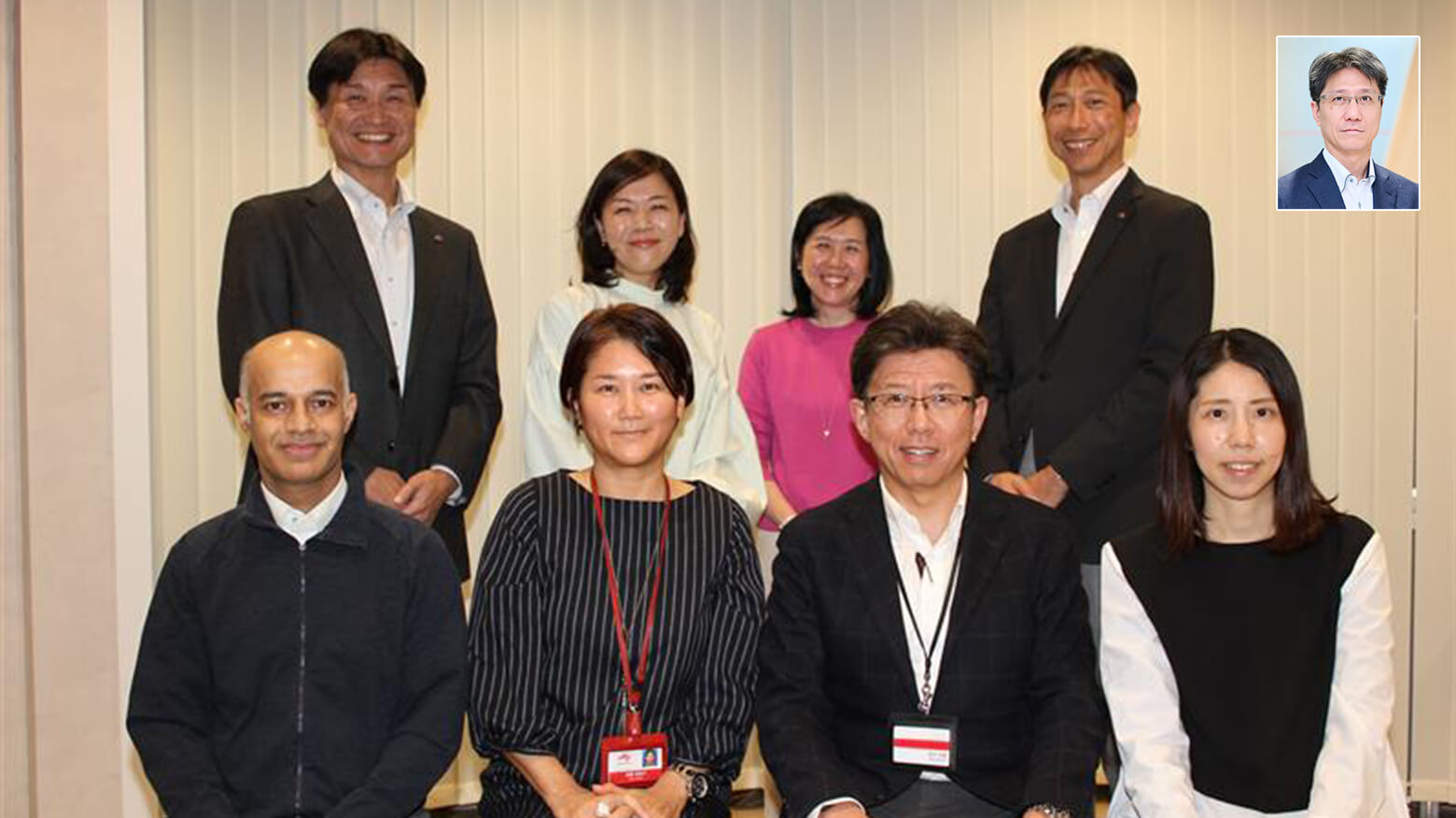
The Ajinomoto Group DE&I Statement Working Team Members
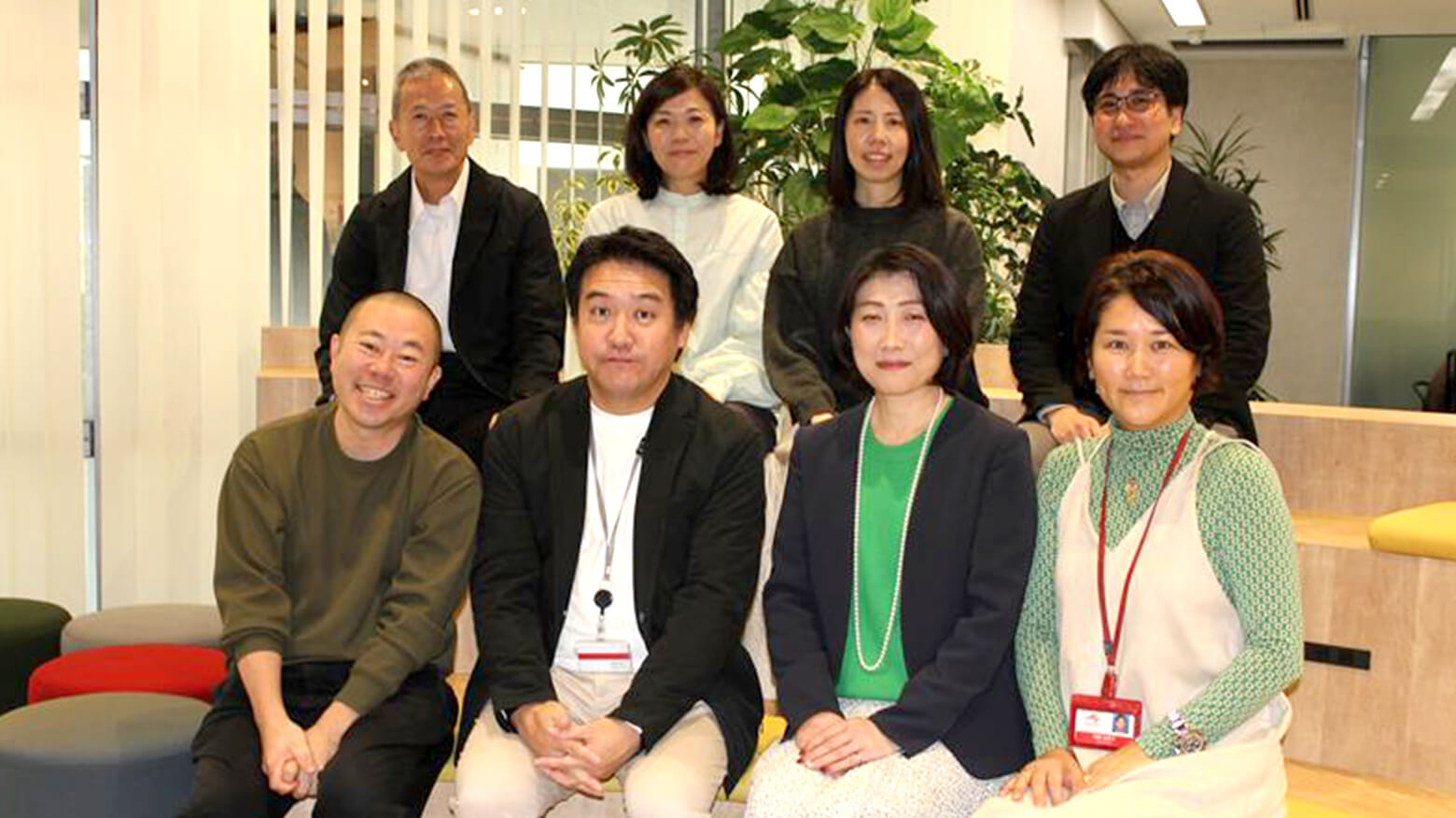
The Ajinomoto Group DE&I Statement Video Working Team Members

Stories you may like

Exploring Inclusive Cooking with Para-Athletes: A Commitment to DE&I
- Diversity
- Health and Well-being
- Innovation
- Purpose
Para Athlete Nutrition
- Diversity
- Health and Well-being
- Innovation
- Purpose

Nualtra: Designing for the Human Experience
- Diversity
- Health and Well-being
- Innovation
- Purpose