The Ajinomoto Group’s Unexpected Role in Semiconductor Manufacturing: The Insulating Film “ABF” Born from “AminoScience”

Reading Time: 6 minutes

The Ajinomoto Group is not just about food. We’ve described the Group’s ventures into advanced medicine, cosmetics, and other industries in previous Stories.
In this article, we explore something even more unexpected: the Group’s deep involvement in the ICT industry, specifically in semiconductor manufacturing.
The Ajinomoto Group and semiconductors? It might be hard to imagine, but the reality is that the semiconductor materials produced by the Ajinomoto Group hold significant market share and are serious players in the industry.
So how did a company famous for its umami seasoning come to manufacture semiconductor materials? We interviewed two members of the team from Ajinomoto Fine-Techno to uncover the story. We’ll also break down some essential knowledge about semiconductors along the way.
What even are semiconductors in the first place?
We all know that semiconductors are essential components found in computers, smartphones, home appliances, and even cars. But how does the Ajinomoto Group fit into this picture? And what exactly are semiconductors in the first place?
A semiconductor has properties between a conductor (which allows electricity to flow) and an insulator (which blocks the flow of electricity).
Common conductors include metals like gold, silver, copper, and aluminum, while insulators include materials like glass, rubber, and plastic.
Then there are semiconductors, which function in both ways.
That is to say, they half conduct, which is why they’re called “semi” conductors. In most cases these are made from materials such as silicon and germanium. Semiconductors can switch between conducting and insulating states, making them crucial for modern electronics.
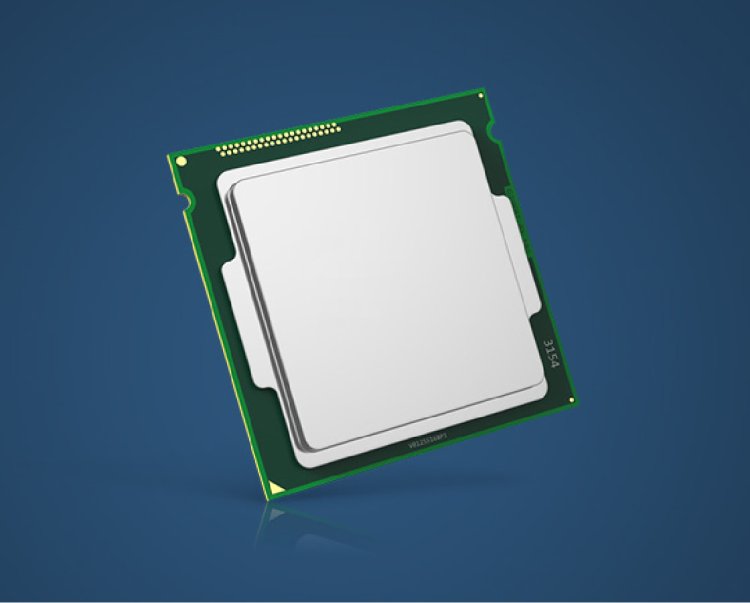
These chips come in all manner of shapes and formats depending on their specific function, and their tiny size allows them to be packed into the green circuit boards inside our computers, smartphones, and other such devices.
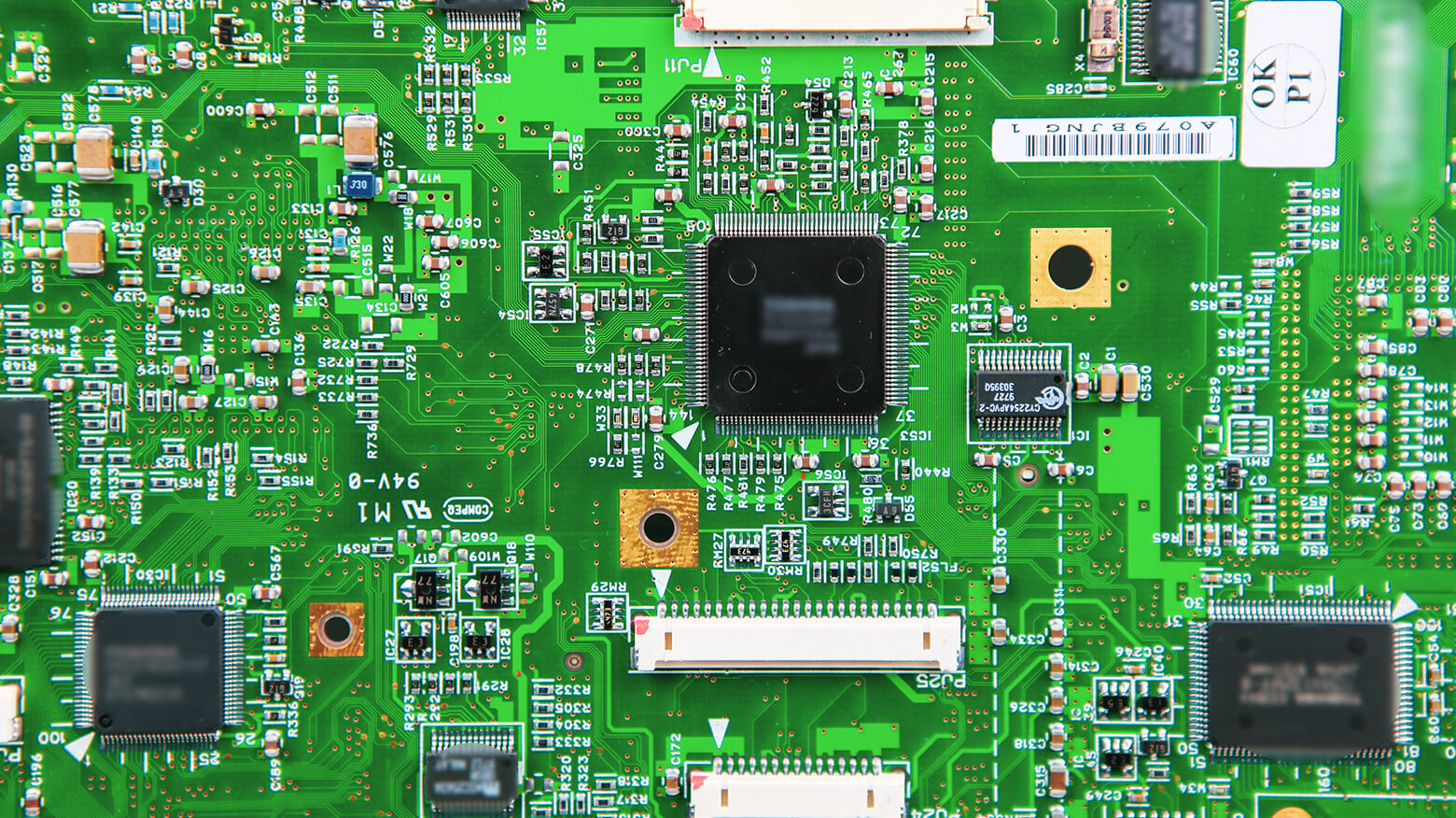
With the rise of artificial intelligence (AI) and increasing demand for high-performance computing, semiconductors have become indispensable. AI relies heavily on semiconductor-based GPUs (graphics processing units), and global competition in semiconductor development is fiercer than ever.
These tiny chips now play a central role in economic growth and technological progress all over the world.
Over 95% global market share!? The Ajinomoto Group’s Surprising Connection to Semiconductors
Now, let’s get to the main topic.
The semiconductor material we’re here to talk about today is Ajinomoto Build-up FilmTM (ABF), developed by Ajinomoto Fine-Techno.
ABF is an insulating material that plays a crucial role in high-performance computers and data center servers engaged in complex, sophisticated processing. It boasts an impressive global market share—reportedly approaching 100%!
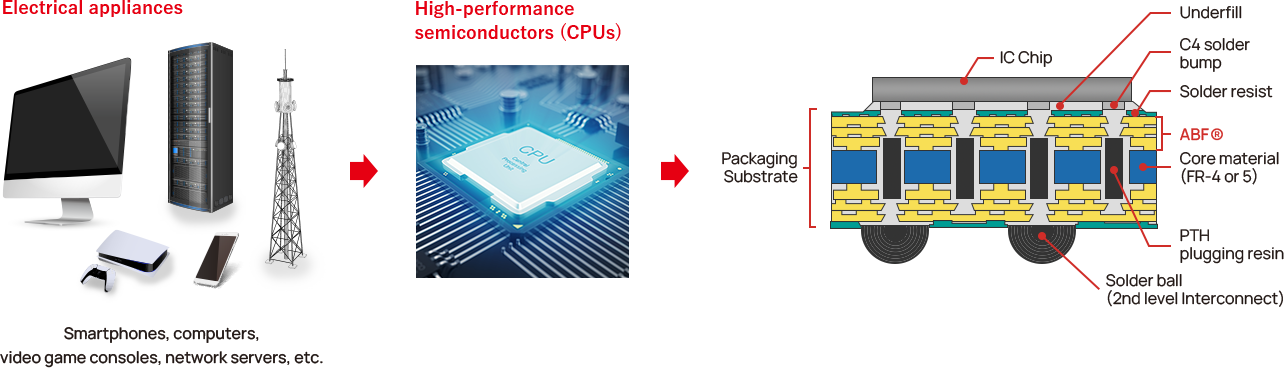
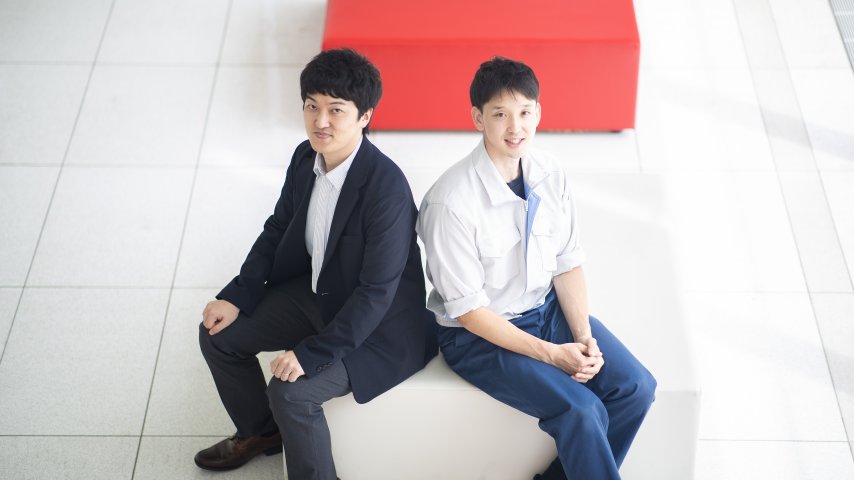
Even more surprising, the origins of ABF are tied to none other than the Ajinomoto Group’s famous umami seasoning. To learn more about ABF’s development and why it dominates the market, we spoke with Takashi Takahashi and Akito Kitano from Ajinomoto Fine-Techno’s Electronics Materials Division.
| Please tell us about the ABF semiconductor insulating material. | Takahashi: Insulating materials are essential to ensuring the performance of electronic devices. In a computer, for example, semiconductors are placed on a substrate before being connected to the electronic components inside. Inside the substrate are layers of wiring, and ABF is incorporated to cover this wiring. If there were no insulating material, electricity could flow to unintended components and trigger a short circuit. |
|---|---|
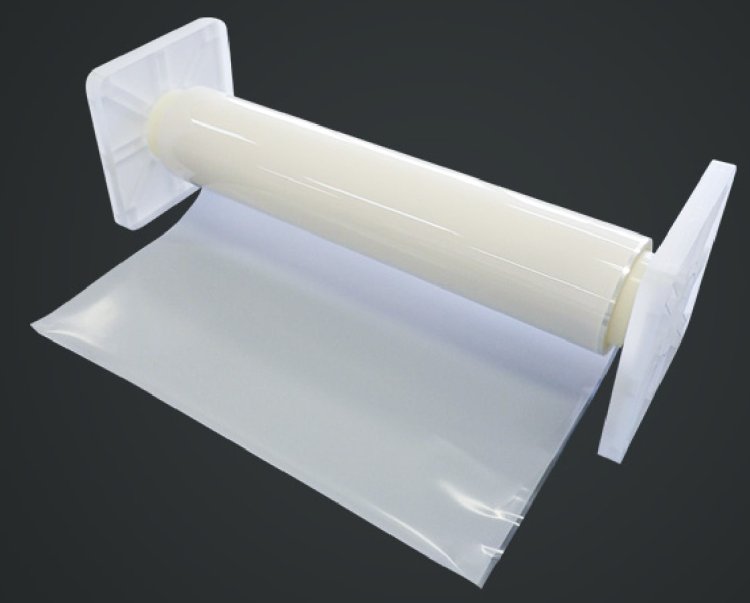
| Short circuit!? That must mean insulating materials are essential for maintaining the safety of electronic devices. | Kitano: As its name suggests, ABF is film-like, with a thickness of about 10 micrometers per layer. For reference, a human hair is about 80 micrometers in diameter. |
| By “high market share,” do you mean like 30% overall? Or perhaps more generously around 50%? | Kitano: More like 95% market share. |
| That’s not far off from 100%! | Kitano: That’s correct. It’s safe to think that practically all high-performance computers and servers around the world rely on ABF. |
How the company’s umami seasoning AJI-NO-MOTO® led to the birth of ABF
| What led the Ajinomoto Group to create ABF? | Takahashi: The origin of ABF can be traced back to the umami seasoning AJI-NO-MOTO®. It started with chlorinated paraffin, a byproduct produced in the process of manufacturing monosodium glutamate (MSG), the main ingredient of AJI-NO-MOTO®. This chlorinated paraffin imparts a softening function to resin. Afterward, we developed materials that add functions to various resins, including chlorinated paraffin, flame retardants, and epoxy resin curing agents. From there, we commercialized epoxy resin-related products, such as adhesives, by mixing each of these materials. The experience gained through these material and compounding technologies was utilized and led to the creation of ABF. After a significant period of time conducting research, we were finally able to put the product on the market in 1999. ※Currently, monosodium glutamate (MSG) is produced by fermentation using plant-based raw materials such as sugarcane and cassava. |
|---|---|
| This is a great point to segue into “AminoScience”. After all, ABF would never have been developed if not for AJI-NO-MOTO®, right? | Takahashi: The demand for semiconductors was also growing rapidly as the internet began to spread at an accelerating pace. ABF was quick to respond to the needs of those times and steadily expanded its market share. Although I did not directly witness the situation at that time, I believe that our entry into the semiconductor market during that transitional period has led us to our current position today. |
| Wait a minute. The Ajinomoto Group was certainly a pioneer in this field, but pioneering a technology doesn’t necessarily mean you can maintain 95% market share. Why do manufacturers all over the world choose ABF? | Kitano: We do not feel that we are doing anything particularly special. What we prioritize is attending to the needs of our clients. The specifications of ABF differ greatly depending on where it is to be used, such as for a PC or a server. Customization becomes more complex the more we incorporate performance features specific to clients’ products. Since 2010, requests have been diversifying, and now the number of standard ABF series has increased to seven or eight. |
| That you have launched so many different product categories is itself proof that you’re meeting customers’ demands. | Kitano: We do more than simply ask clients for business; we also provide them with a significant amount of technical support. Since we are often involved in the process from the semiconductor design stage onward, we are able to make proposals that are deeply rooted in the client’s business. |
| So you’re consultants as well! You must certainly be valued by clients as a key business partner. | Kitano: We hold regular meetings with our clients, so over time, we’ve gradually come to know the ins and outs of their business. This insight allows us to anticipate their challenges and provide the necessary support by identifying ahead of time the exact type of ABF they will want. |
The innovation that is ABF: Dramatically reducing manufacturing processes!
The introduction of ABF has revolutionized the manufacturing process of package substrates.
In the past, liquid ink insulating materials were the mainstream, but ink tended to be applied unevenly and often contained trapped air bubbles.
The generation of gases harmful to humans was yet another problem with the use of ink. However, perhaps the biggest problem with ink was that it took time to dry.
Applying insulating materials as an ink to both sides of a substrate requires four processes: (1) applying the ink, (2) allowing the ink to dry, (3) applying ink to the other side, and (4) allowing that ink to dry.
In contrast, ABF is applied as a film, significantly improving efficiency. ABF also minimizes the release of harmful gases, which has been recognized as a problem for quite some time. As substrate packaging has become more complex, the advantages of ABF’s more fine and detailed processing have only grown, making it the industry standard.
ABF is driving the growth of the “AminoScience” business
As the pioneer of insulating materials for semiconductors, Ajinomoto Fine-Techno is confident about ABF’s future.
Kitano:
AI, 5G, and other advanced technologies will continue to drive semiconductor demand. While technology evolves rapidly, our core values remain the same: building trust and enhancing customer satisfaction.
Takahashi:
The Ajinomoto Group aims for a one-to-one balance between its food business and its “AminoScience” business. We take pride in contributing to that goal. ABF embodies our commitment to generating both social and economic value, aligning perfectly with our ASV (Ajinomoto Group Creating Shared Value) philosophy.
Takashi Takahashi
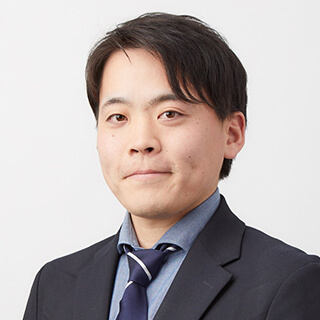
Akito Kitano
The Ajinomoto Group and semiconductor materials: these two pursuits may seem unexpected at first glance, but ABF—just like umami seasoning AJI-NO-MOTO®—is a product of “AminoScience”. ABF overlaps with the Ajinomoto Group’s purpose of “contributing to the well-being of all human beings, our society and our planet with “AminoScience”, and it connects directly with the sense of purpose of the group’s employees.
Takahashi:
Sure, our operations are more behind the scenes, but we are happy that ABF plays a vital role in the IT infrastructure that connects the world. The fact that ABF is installed in the servers of data centers all over the world means that ABF is something that empowers anyone to access information in a timely manner. It gives me a strong sense of purpose knowing that we are improving the way people around the world live.
Kitano:
ABF is just one of countless materials used in semiconductor manufacturing. Electronic devices are completed only when semiconductor manufacturers, substrate manufacturers, and material manufacturers work together. As a company involved in the same supply chain, we would like to contribute to the profitability of the companies that surround ABF and grow together with them.
The Ajinomoto Group is also involved in cutting-edge projects like NTT’s IOWN (Innovative Optical and Wireless Network) initiative, combining digital technology with “AminoScience” to enhance well-being and extend healthy lifespans.
Ajinomoto Fine-Techno is also involved by providing technological and other forms of project support. Aiming to develop next-generation technologies that do not yet exist in current products, the entire group is working together to nurture the “seeds” of innovation.