
Using Supersweet Corn to the Fullest! Turning Supersweet Corn Into Sustainable Value: The Ajinomoto Group’s Commitment in Action

Reading Time: 6 minutes
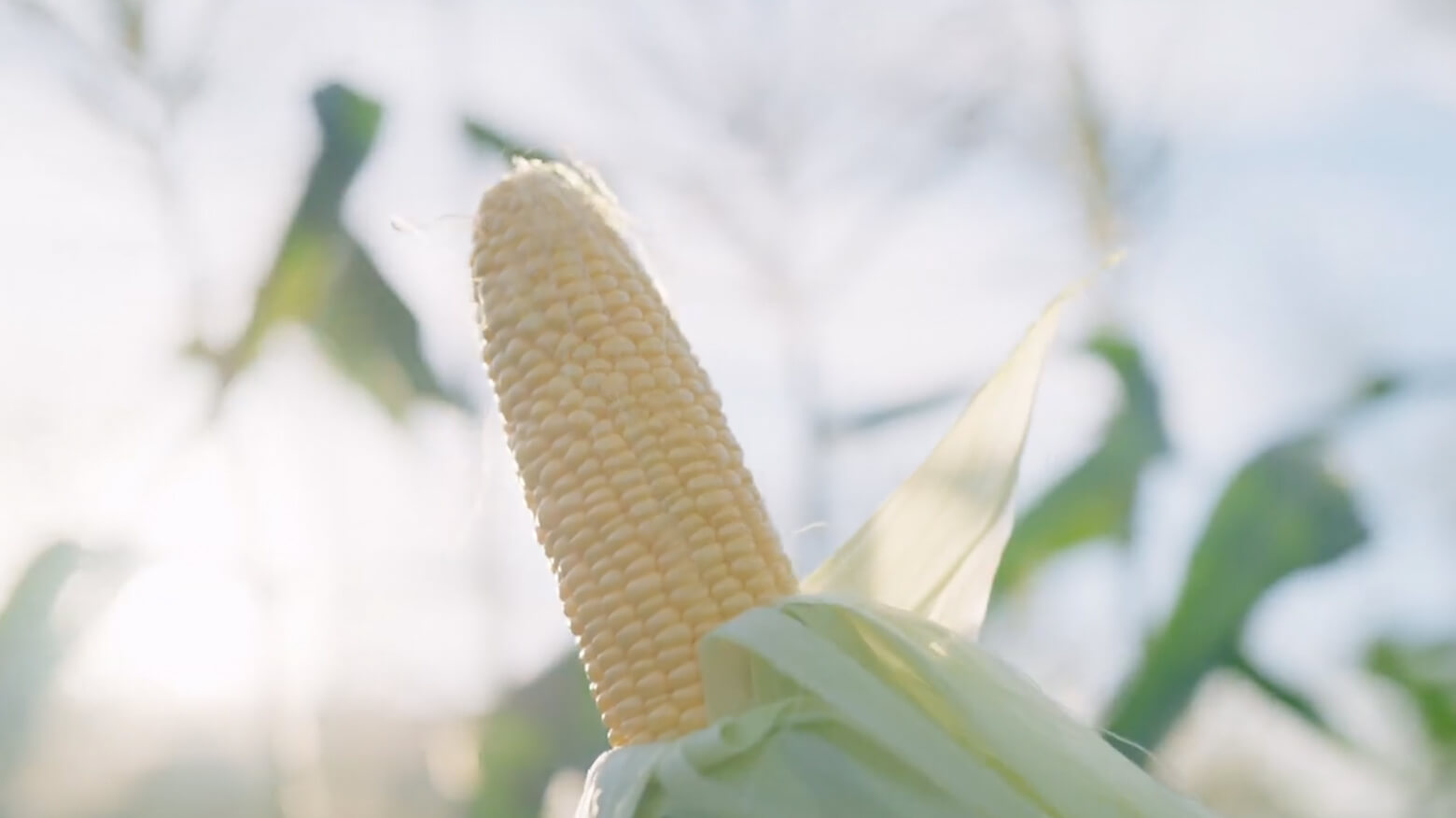
The Ajinomoto Group advances a bio‑cycle approach by returning by‑products from producing AJI‑NO‑MOTO® umami seasoning—made from natural sugarcane—back to the soil as fertilizer.
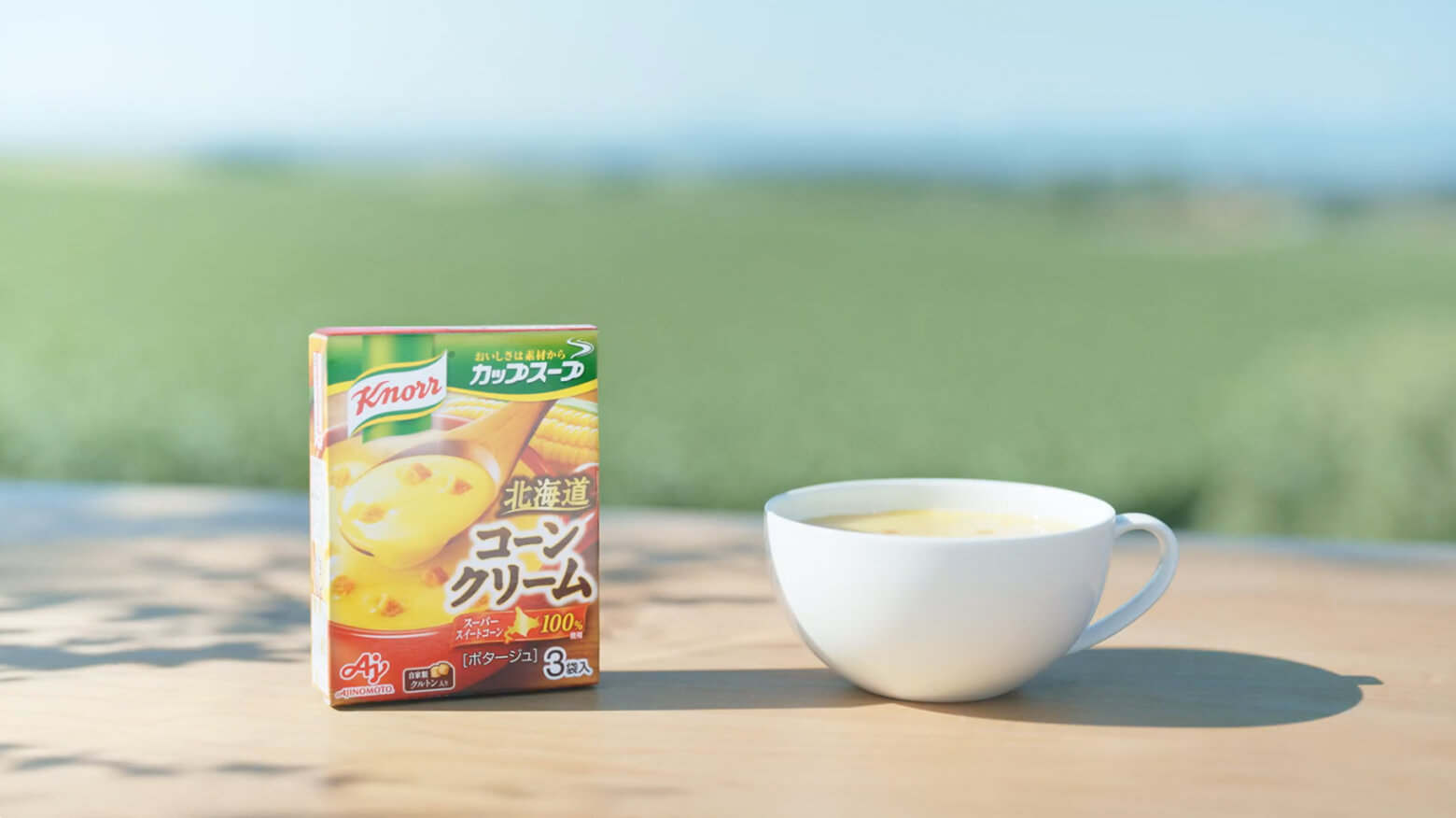
In Japan only, Knorr® is part of the Ajinomoto Group, where this same circular mindset is applied to Knorr® Cup Soup, reusing corn cobs, leaves, and stalks left over from supersweet corn processing.
This Japan‑specific approach highlights how the Ajinomoto Group uniquely develops Knorr® through local innovation and sustainability.
What measures are involved?
Let’s take a step-by-step look at how Knorr® Cup Soup is made in Japan.
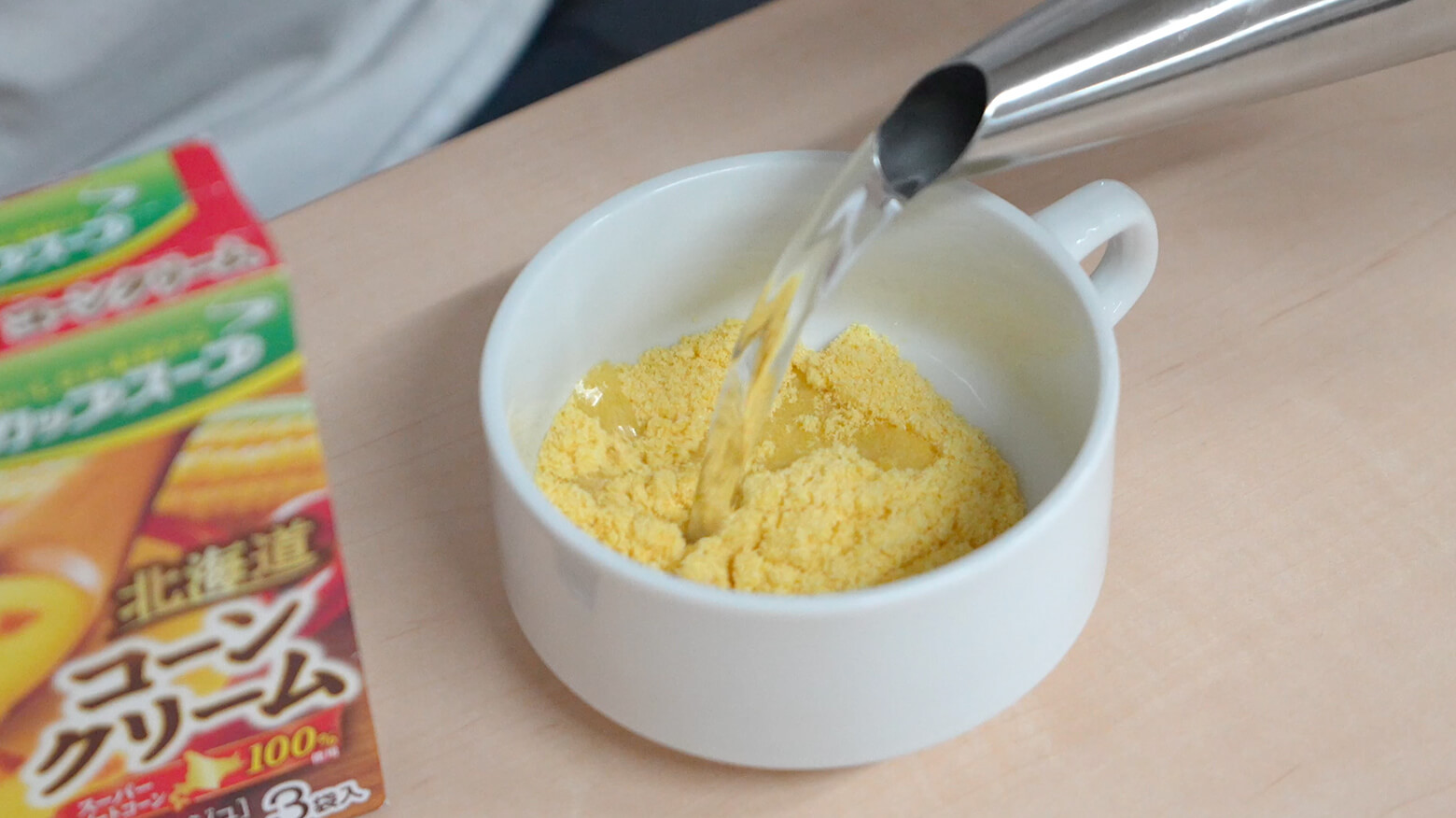
One Week Harvest Period! What is the supersweet Corn in Knorr® Cup Soup?
Do you know how Knorr® Cup Soup makes its way to the store shelves?
The corn used as an ingredient reaches peak flavor for only one week of the year. Knorr® Cup Soup is made from supersweet corn harvested during that single week.
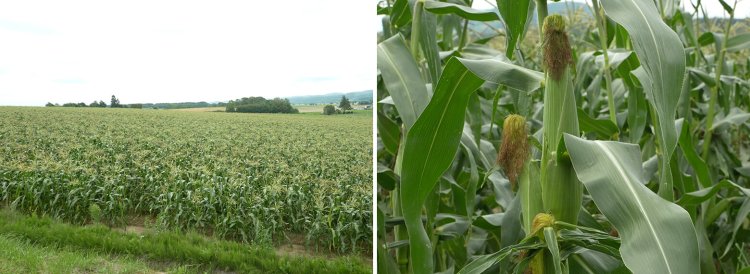
| What is supersweet Corn? | The sweetest of corn varieties is called sweet corn, which are the most frequently one found in your local supermarket. And the supersweet corn is the sweetest variety of sweet corn. Knorr® Cup Soup uses this supersweet corn in the most extravagant way. |
|---|
Powdered as Soon as Harvested! Knorr® Cup Soup Dissolves Quickly in Water for the Best Taste
Among all vegetables, corn loses freshness most easily. The sugar content of the corn kernels decreases rapidly as time passes after harvest. Accordingly, the key to tasty corn is to prepare it immediately after purchase.
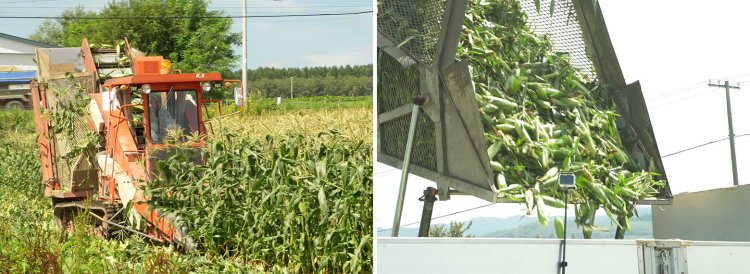
Supersweet corn for Knorr® Cup Soup goes directly to the plant after harvest. To preserve its fresh flavor, corn is processed into powder within a short period after harvest.
Highly skilled workers select corn by hand, cutting the kernels generously and leaving the portion slightly away from the cob.
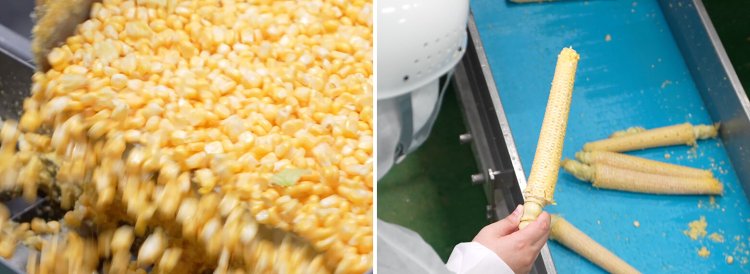
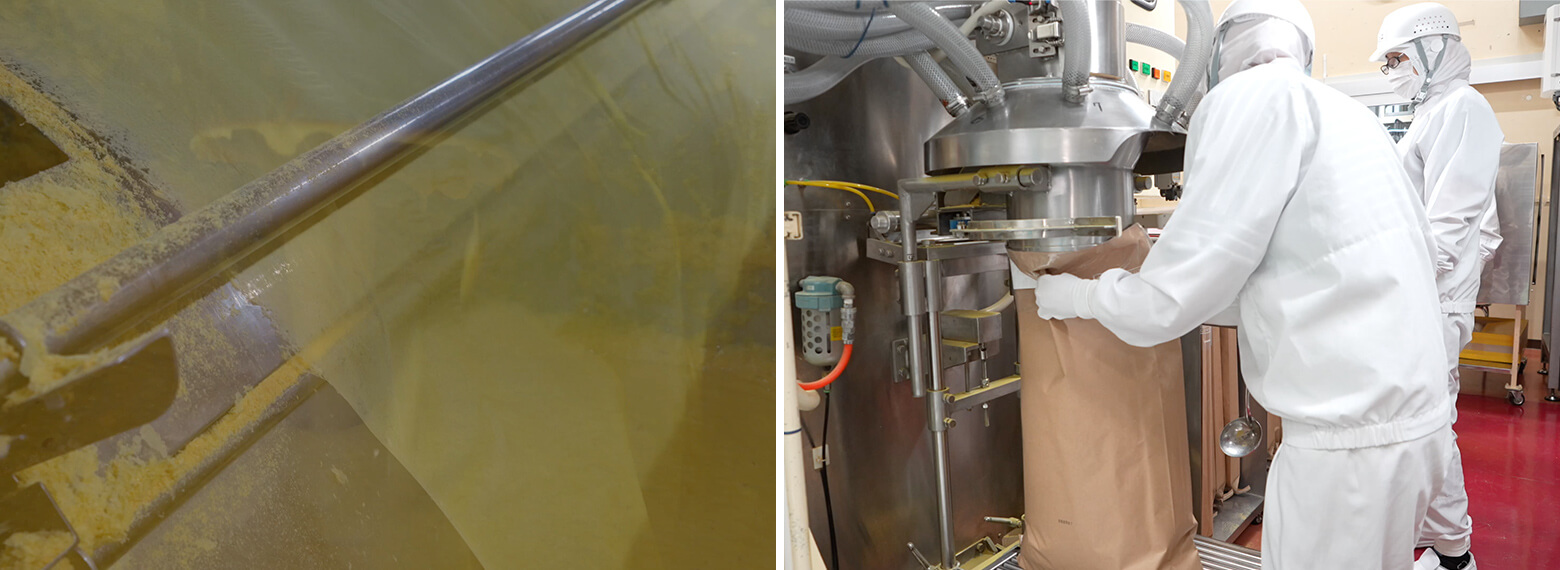
The corn kernels are carefully mashed by machine into a paste, heated, and processed into thin sheets in a huge dryer. After cooling, the entire batch is turned into powder all at once.
This process produces a silky 100% supersweet corn powder.
Granules, made from a proprietary mix of starch, sugar, salt, butter, sauteed onion powder, and chicken extract, is transferred into a single container along with the corn powder, where the ingredients are mixed to become complete corn cream soup powder.
At present, we make 1.3 million servings of soup every day in Japan.
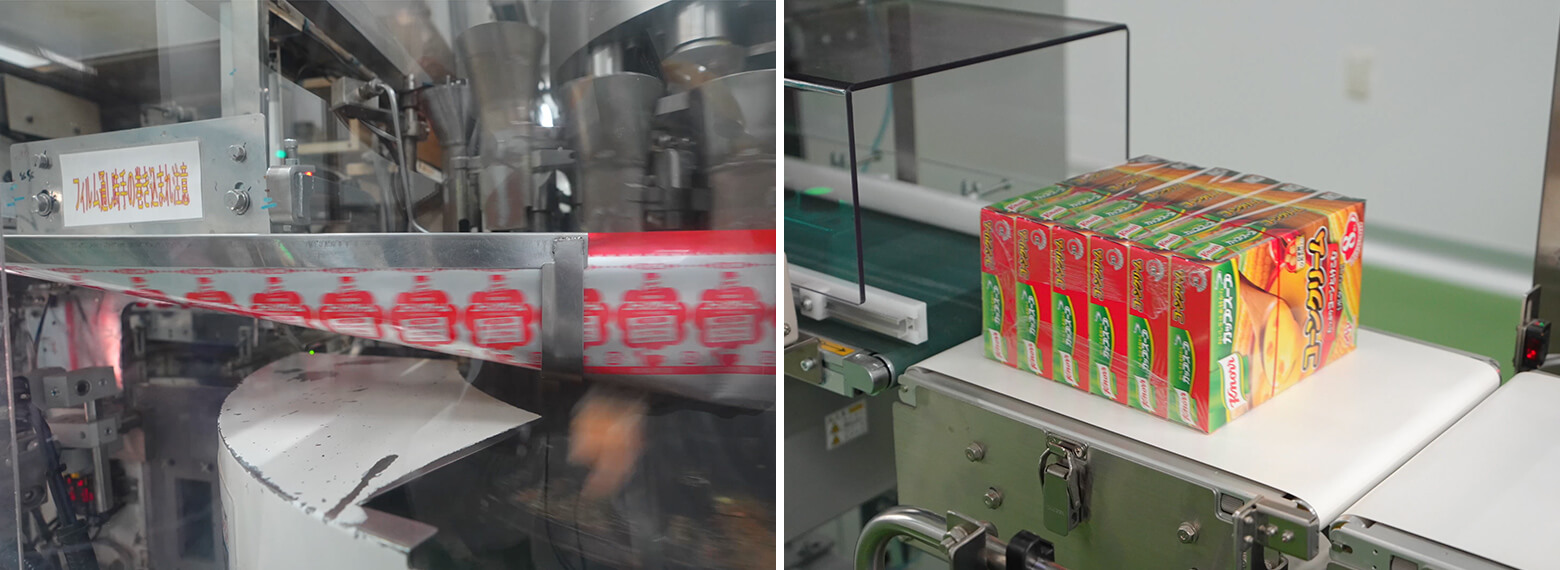
| Specially Made Croutons Using Bread From Carefully Selected Flour. | The delicious croutons floating at the top of Knorr® Cup Soup have a secret of their own. The Knorr® bakery in Hokkaido uses carefully selected flour to make the bread dough. And it is cut into dice-shaped pieces, yielding 20,000 croutons from each loaf, dried and crispy for the best texture! |
|---|
Reusing Corn Cobs, Leaves, and Stalks, Instead of Waste! What is the Circular System of Sweet Corn?
Now you know how Knorr® Cup Soup is made from the most delicious, high-quality sweet kernels of supersweet corn, harvested at peak condition. But what do we do with the cobs, husks, leaves, and stalks that are not used to make the soup?
In fact, we use all of it, without any waste.
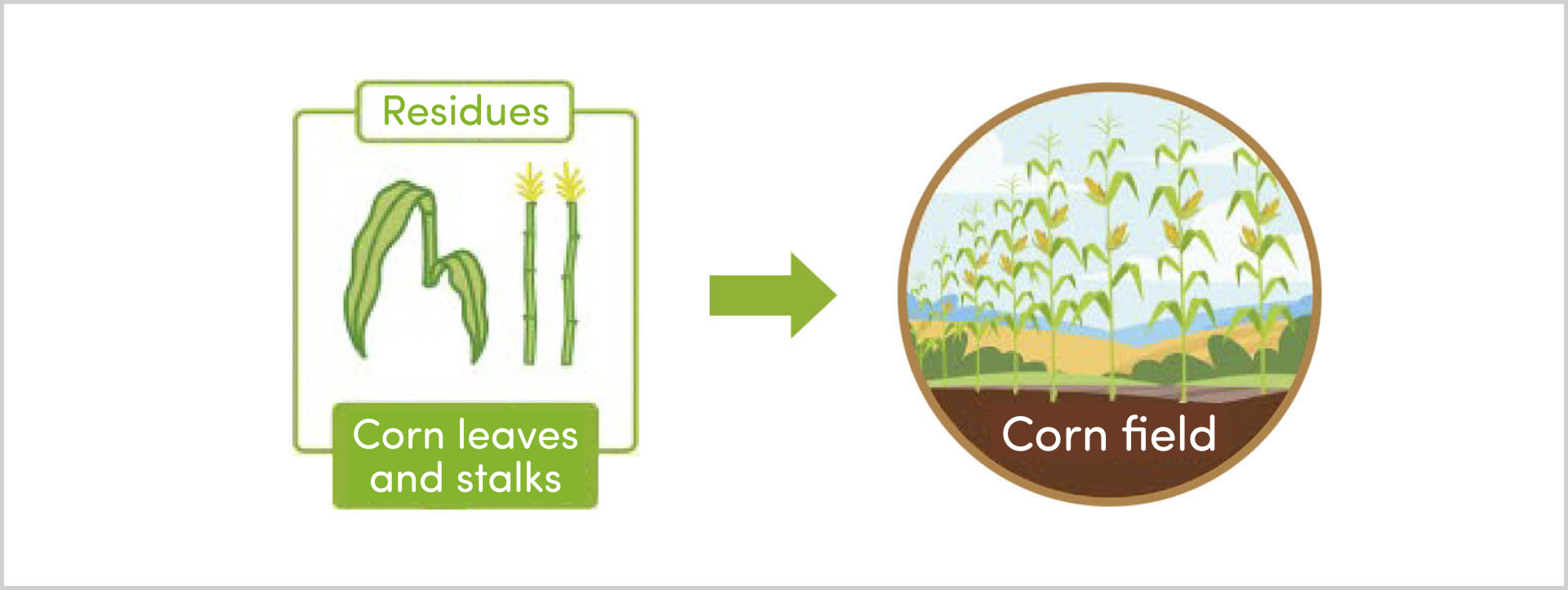
Leaves and stalks nourish the corn fields. So, instead of throwing away the leaves and stalks left over after harvest, we plow the material directly back into the field as nourishing green fertilizer.
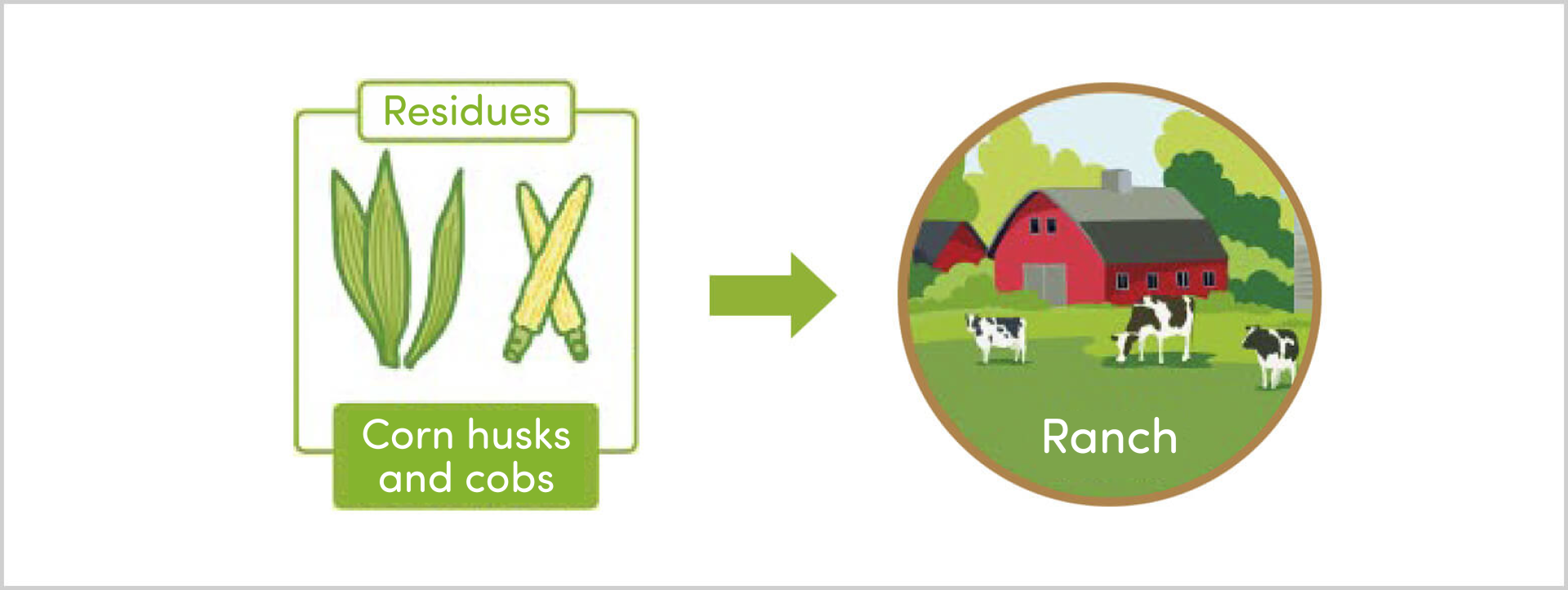
The husks and cobs go to feed cattle.
The process of removing raw material corn kernels from the plants in Japan results in as much as 6,500 tons of husks and cobs every year.
We don’t throw these coproducts out, either. These husks and cobs go to feed ranch cattle.
The husks and cobs of supersweet corn are rich in fiber, minerals, and other nutrients.
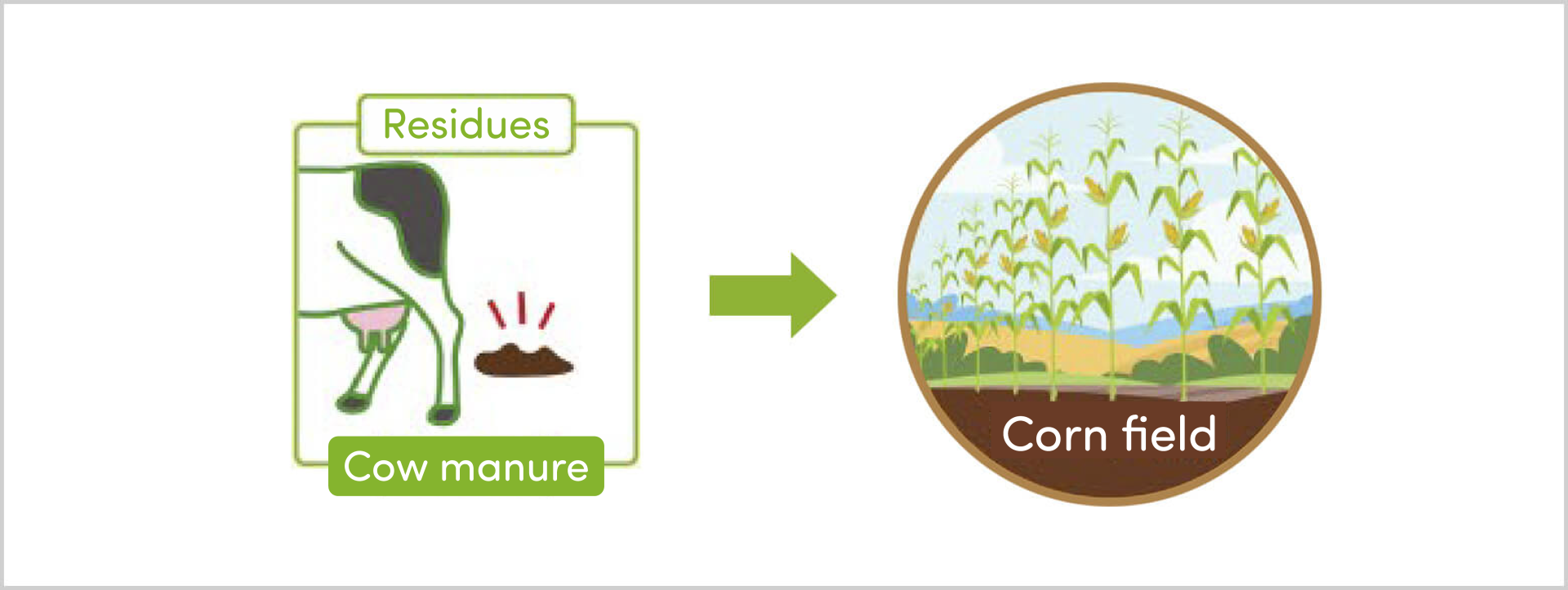
Cattle manure is used as fertilizer for crops.
Manure from cows on the farm is also used as fertilizer for crops.
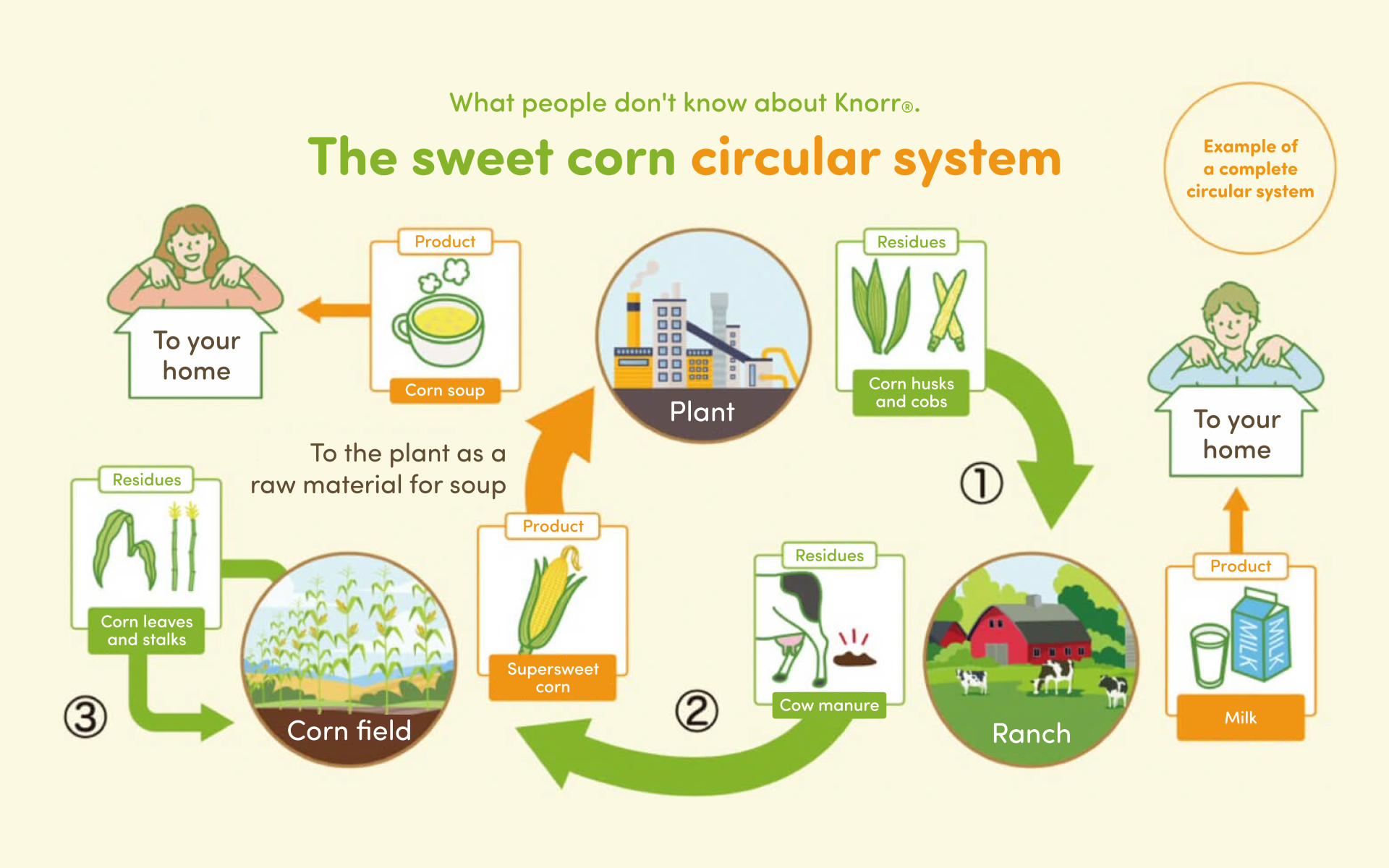
This is the sweet corn circular system that maintains leaves, stalks, and other residue as important resources in circulation for as long as possible.
In addition to reducing waste, our approach contributes to sustainable agriculture and livestock farming.
In other words, every time you enjoy a delicious bowl of Knorr® Soup, you are helping to fertilize the fields and raise healthy cows.
The Ever-Expanding Environmental Initiatives of Knorr® Cup Soup
A portion of the packaging materials for Knorr® Cup Soup is made from paper using wood from appropriately managed forests. We proudly display our proprietary Aji-na Eco mark*1 (environmental mark) on products with this packaging.
*The Aji-na Eco mark is a registered trademark of Ajinomoto Co., Inc.
*1 Aji-na Eco is a term for the Ajinomoto Group’s unique, smart (Aji-na), and ecologically friendly (Eco) products. The logo mark expresses the image of the green of the earth, the pleasure of eating, and a global environment made even better through food.
Our Kawasaki Plant, one of the plants that manufactures Knorr® Cup Soup, has been certified as an energy-saving CASBEE (Comprehensive Assessment System for Built Environment Efficiency) A-rank plant.
The plant excels at regulating temperature and heat according to the season, reducing CO2 and other greenhouse gas emissions.
Furthermore, the plant uses only the necessary amount of water (important part of the production process). Water is returned to the river only after being purified.
We also strive to reduce CFC emissions and electricity consumption.
We believe that to create soups that contribute to a healthy diet, we must not only deliver deliciousness, but also strive for sustainable food production.
The Ajinomoto Group will continue to pursue every possible means to reduce the environmental impact of our plants and to use raw material waste rather than discarding it, future-friendly and always tasty.
Based on information as of November 2025.


Stories you may like
INNOVATIVE GYOZA 20XX
- Amino Acids
- Environment
- Health and Well-being
- Sustainability / SDGs

From the Taste of Japan to the World
- Amino Acids
- Environment
- Health and Well-being
- Sustainability / SDGs
“Deliciousness Technology” at Work Around the World
- Amino Acids
- Environment
- Health and Well-being
- Sustainability / SDGs