
Protein Intake Optimization
Our Intention
The Ajinomoto Group is dedicated to improving the intake of protein, particularly among the underprivileged and elderly populations as well as those living in geographical locations where high-quality protein is inaccessible. Through our unique approach to providing amino acids, our solutions can complement lower-quality protein sources, combine to form dietary protein, and function as seasonings which enhance the flavor of protein-containing meals.
Why it is Important
According to the World Health Organization (WHO), 20% of seniors around the world do not have sufficient nutritional intake, including of protein1.
As a Group based in Japan, which is leading the world in aging populations, we have had the opportunity to innovate in advance of the aging of populations on a global scale. Not only is the global population aging, but at the same time our food system will need to support a larger population with fewer resources.
By ensuring that nutritious protein options are within reach for all, we are helping to achieve the United Nation’s Sustainable Development Goal #2 for Zero Hunger and #3 for Good Health and Well-being. Ensuring proteins come from a variety of sources, including plant-based protein, reflects our dedication to SDG Goal #13 for Climate Action.
What the Ajinomoto Group is Doing
Providing People with High-Quality Protein and Amino Acids
We promote the use of sustainable and diverse protein sources and supplement products with amino acids to enhance nutrition and optimize protein intake. For instance, we provide Amino Acid Prime Mix, a line of optimally formulated amino acid ingredients for food and beverage products to our B2B customers. In addition, our Quick Nourishment business provides ready-to-eat meals that make quality protein accessible for everyday consumers. By increasing the number of products that utilize the power of amino acids, we are able to support more comfortable lives for many people.
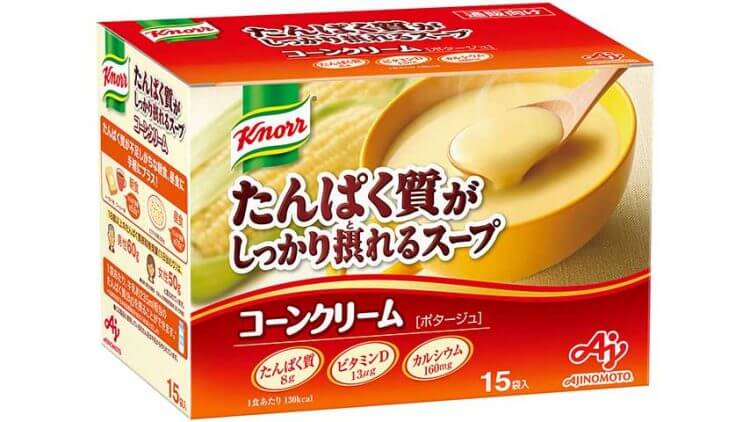
Knorr™ protein-rich soup

Medimeal™ Flan Custard for enhanced protein intake
Developing Technology to Evaluate the Nutritional Value of Protein
Recently, in the interest of sustainability and reducing environmental impact, it has become increasingly important to intake protein from a variety of sources, not just from animals but plants as well. However, plant protein is generally known to be less digestible and absorbable than animal protein. Developing precise technologies to evaluate and improve digestibility is crucial to increasing the nutritional value of plant protein.
In 2013, the Food and Agriculture Organization of the United Nations (FAO) proposed a new indicator, the Digestible Indispensable Amino Acid Score (DIAAS). This indicator can more accurately assess the nutritional value of protein (protein quality) by taking into account the balance of essential amino acids absorbed from food and the digestibility and absorption rates of protein. Under these circumstances, the Ajinomoto Group focuses not only on the quantity of protein but also on quality and digestibility. We are also engaged in research to evaluate and improve DIAAS levels through the utilization of amino acids and food processing technologies.
Making Alternative Proteins Delicious
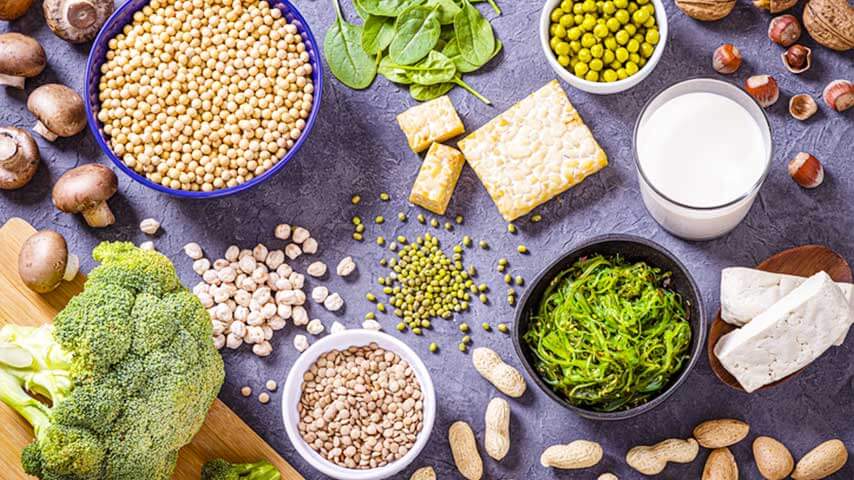
In recent years, plant-based proteins such as soybeans, cultured meat produced by cultivating livestock cells, and dairy-like proteins produced through microbial fermentation have attracted attention as alternatives to protein sources such as meat, fish, and milk. However, many of these alternative proteins lack the characteristic flavors and textures unique to animal-based proteins, leading many to feel dissatisfied with their taste. As a result, they have not yet been widely accepted. To realize the deliciousness that people seek in alternative proteins, the Ajinomoto Group provides solutions through its Deliciousness Technology and umami ingredients. By making alternative protein foods more delicious, the Group helps ensure that healthy and nutritious meals can continue to be enjoyed by many people in the future.
Addressing Undernutrition in Older Adults
Among older adults, insufficient protein intake can have a severe impact on health. Proper nutrition, including sufficient protein intake, can help improve outcomes. Amino L40™ product is a proprietary blend of 9 essential amino acids, including 40% L-Leucine, that are vital for muscle synthesis. This product is used as an ingredient by food companies to improve the nutritional quality of their products, and it is also sold as a supplement under the Ajinomoto brand.
Amino Acids for Athletes and for Everyone
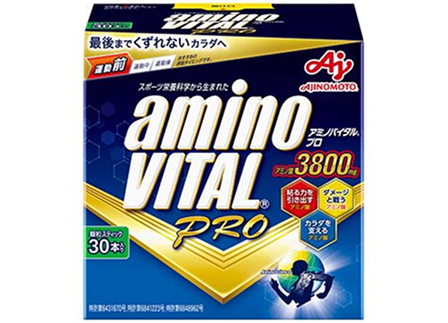
Amino acids are useful not only for building the body, but also for conditioning and energy supplementation. Through the aminoVITAL™ series, the Ajinomoto Group supports athletes and people who lead active lifestyles.
The Victory Project®, which supports the enhancement of top athletes’ international competitive performance based on sports science, was launched in Japan in 2003 and has since expanded overseas, including to ASEAN countries and Brazil.
Medical Foods¹ for Fulfilling Special Nutritional Need
The Ajinomoto Group leverages expertise in “AminoScience” to improve quality of life by balancing medical nutritional requirements with good taste. Ajinomoto Cambrooke, Inc. develops and manufactures medical foods to meet the particular and advanced nutritional needs related to diseases including disorders of amino acid metabolism. The company markets its products in approximately 20 countries worldwide, mainly in North America and Europe. Nualtra Ltd. develops oral nutritional supplements (ONS) for people who are unable to obtain adequate nutrition from their normal diet due to illness or aging. The company also develops foods to replace entire meals to help treat type 2 diabetes (TDR) and special powdered foods (Dysphagia Powder) for patients who have difficulty swallowing. The company markets these products in the UK and Ireland.
¹ Defined by the FDA as a food which is formulated to be consumed or administered enterally under the supervision of a physician and which is intended for the specific dietary management of a disease or condition for which distinctive nutritional requirements, based on recognized scientific principles, are established by medical evaluation.

Ajinomoto Cambrooke, Inc. products
Development of Therapeutic Nutrition Foods
Many children whose lives are at risk due to acute or severe malnutrition live in developing countries in Asia and Africa. In such regions, where access to hospital-based treatment is limited, Ready-to-Use Therapeutic foods (RUTF)—paste-type foods that can be consumed together with breast milk—have become increasingly widespread in recent years.
However, conventional RUTF relies primarily on dairy ingredients such as skim milk, which are costly. As a result, limited budgets make it difficult to deliver RUTF to all those who need it. To address these challenges, the Ajinomoto Group is collaborating with Valid Nutrition, an NGO in Ireland, with the aim of developing RUTF that utilizes inexpensive and locally accessible grain-based ingredients.
From the perspective of amino acid balance, grain-based ingredients have been regarded as having lower nutritional efficacy. By applying the Group’s technologies and supplementing with amino acids, however, the Ajinomoto Group is working to develop RUTF with high nutritional effectiveness. In a nutritional efficacy trial conducted in 2015, recovery effects equivalent to those of conventional RUTF were confirmed.
Looking ahead, the Ajinomoto Group will continue these activities with a view toward future commercialization as a sustainable social business.