
Cultivating Hope: The Ajinomoto Group’s Bio-cycle in Thailand

Reading Time: 6 minutes
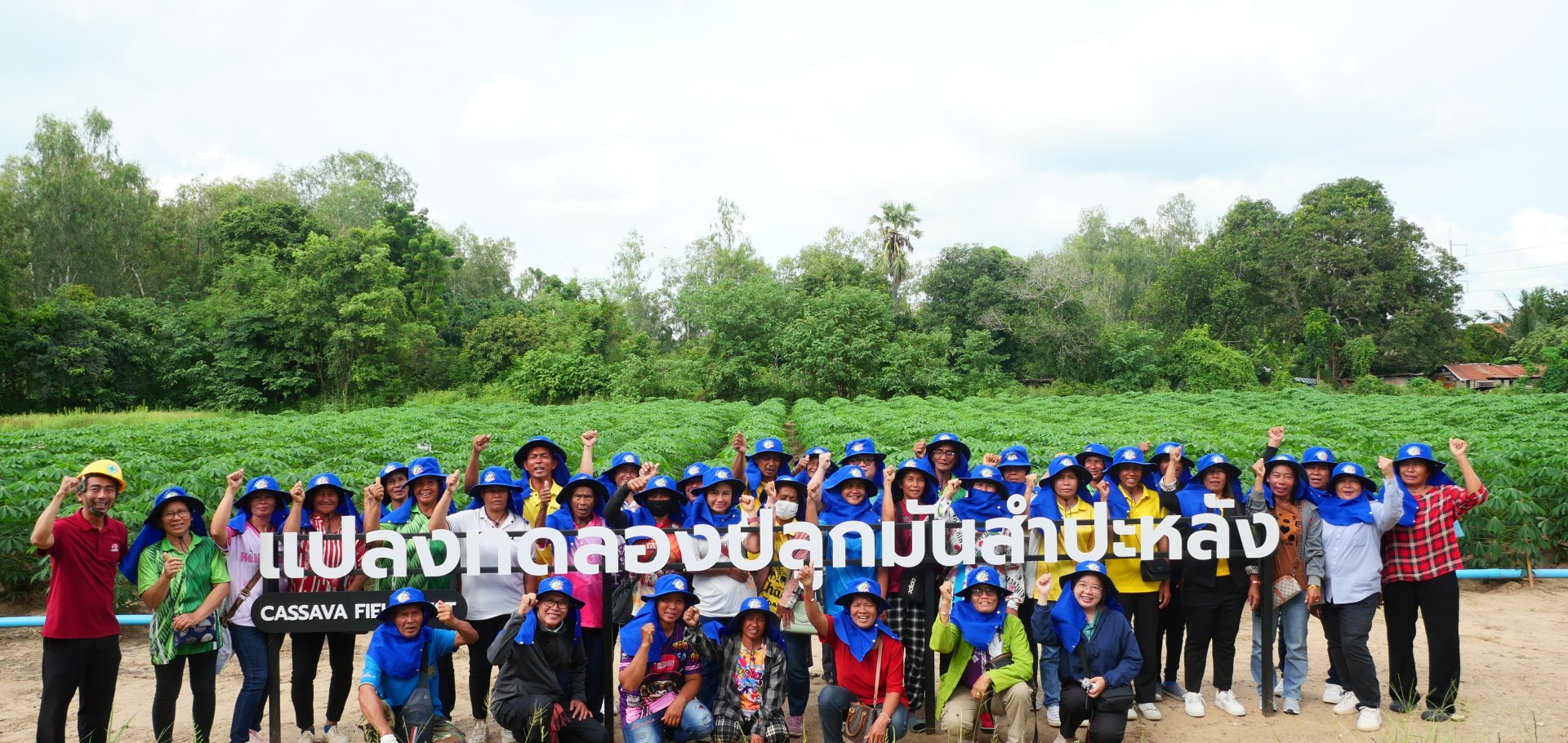
As the world looks toward more sustainable agrifood systems, Thailand’s cassava farmers stand at the frontline of change.
This evolution reflects The Ajinomoto Group’s broader commitment to circular, science-driven sustainability.
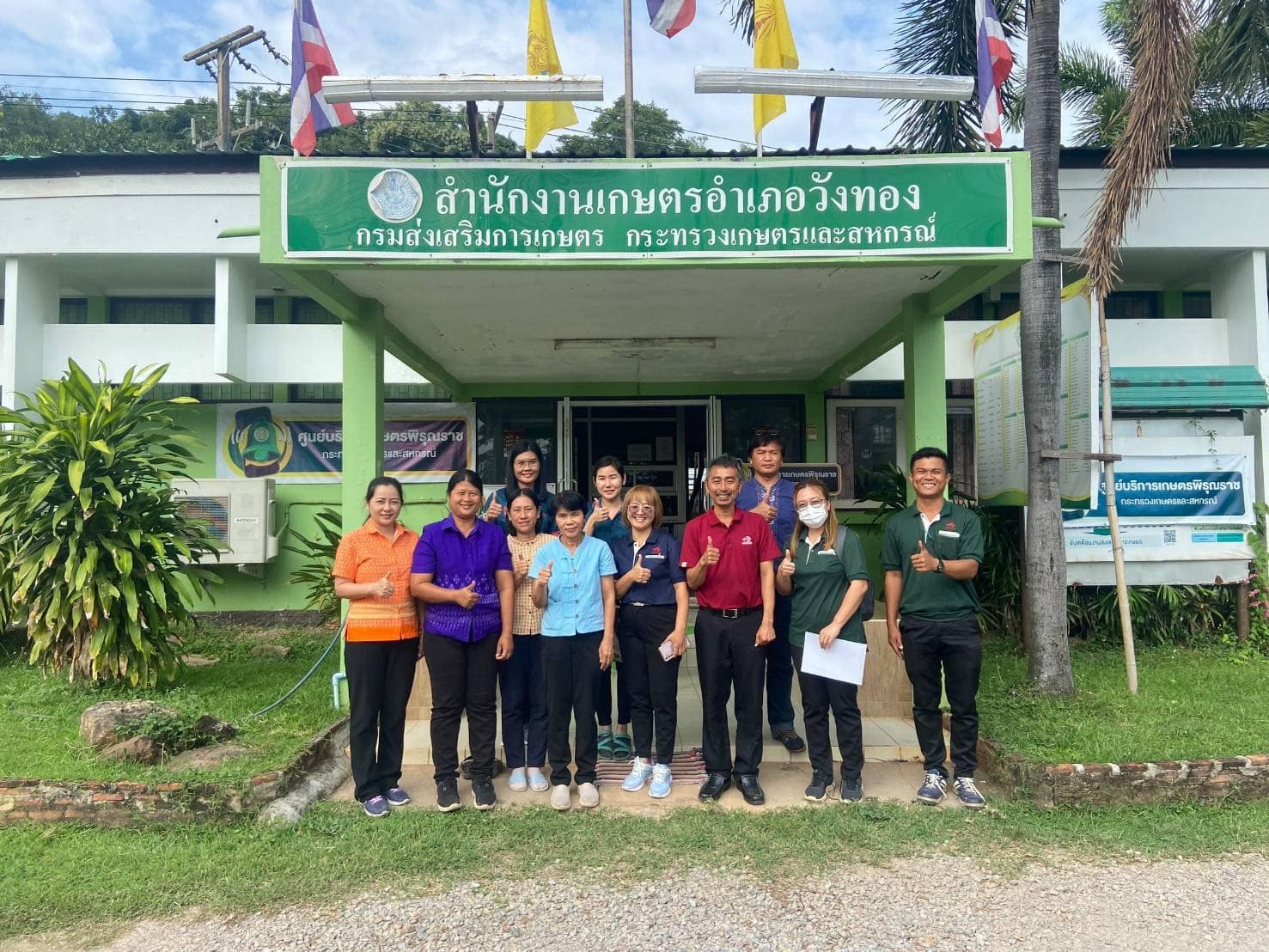
This article introduces The Ajinomoto Group’s (TFBLPTM) and its next evolution in Kamphaeng Phet: the establishment of a “Bio-cycle” that links farmers, starch mills, and the planet in a traceable circular system.
Recognized with the ASV Award Gold Prize , this project now exemplifies how social and economic value creation can work hand in hand.
Opening Scene: Life in the Cassava Fields
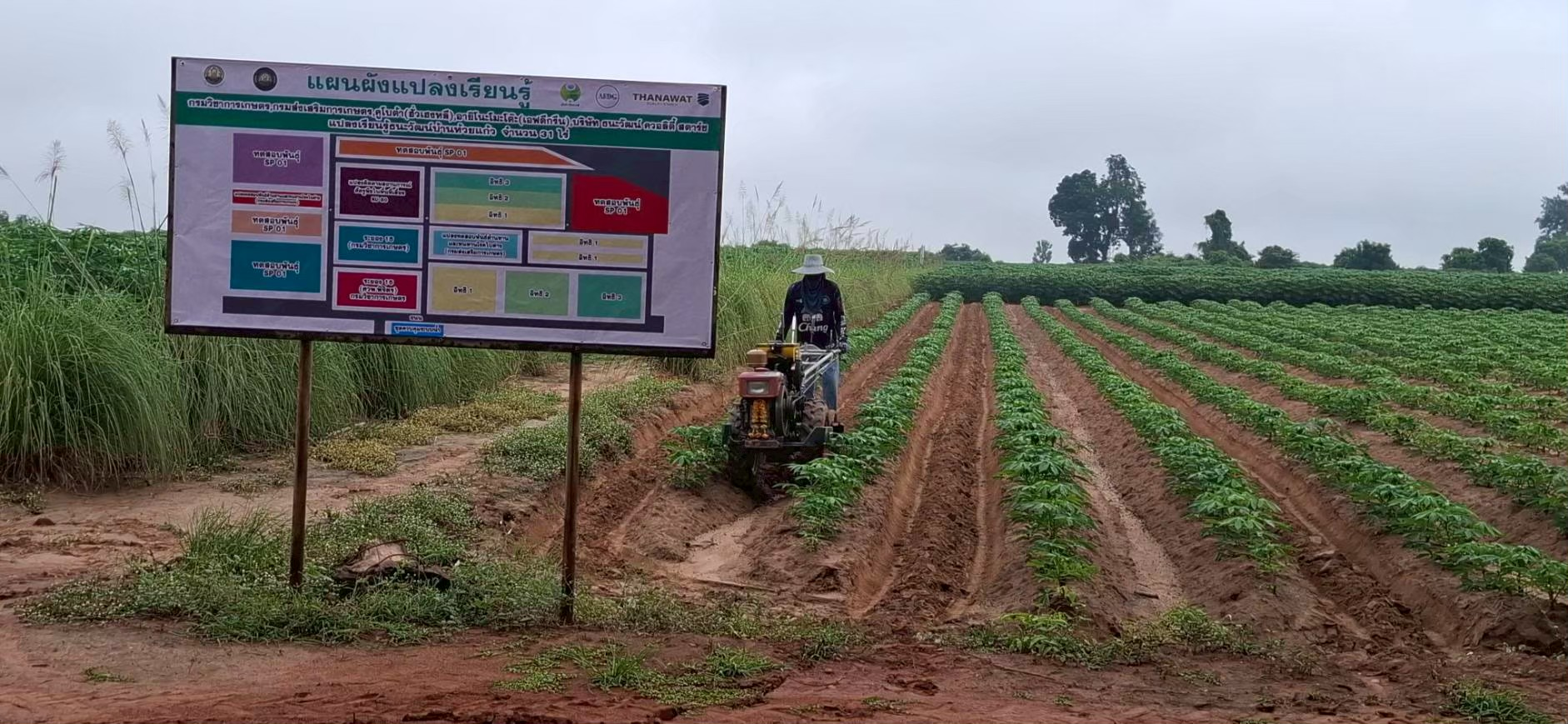
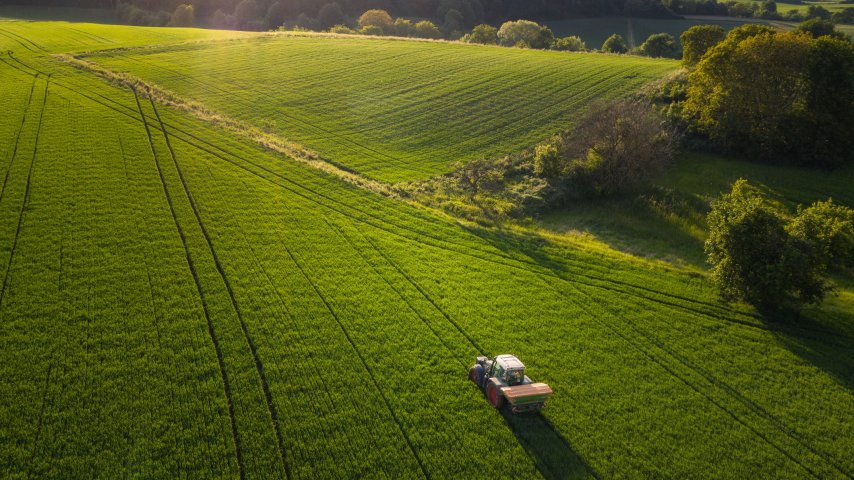
Dawn breaks over Kamphaeng Phet Province. A farmer kneels in the pale light, working the dry, cracked soil with quiet determination. Each furrow holds the fragile hope that this season’s cassava will be enough to feed the family, pay school fees, and secure another year of life on the land.
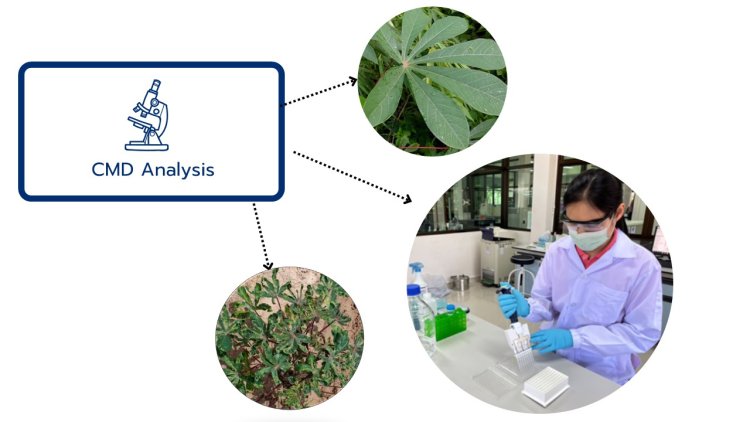
But the earth has grown tired. Years of monocropping have drained its nutrients, diseases like Cassava Mosaic creep silently through the fields, and market prices rise and fall without warning. Across Thailand, families face the same question: how much longer can we endure this?
Cassava is not just a local crop. It is the foundation of tapioca starch, a raw material essential to Thailand’s food industry and to the Ajinomoto Group’s own production of monosodium glutamate (MSG). When the Group looked closely at the roots of this vital supply chain, it saw risks far greater than procurement itself. Soil degradation, disease, and an aging farming population threatened not only livelihoods but the future of sustainable sourcing. Most critically, the web of brokers and processors made it nearly impossible to trace cassava from farm to starch mill with confidence.
From this realization grew a conviction: true sustainability must reach beyond soil and livelihoods. It must also rebuild transparency and traceability across the entire value chain.
The Bigger Picture: Why The Ajinomoto Group Stepped In
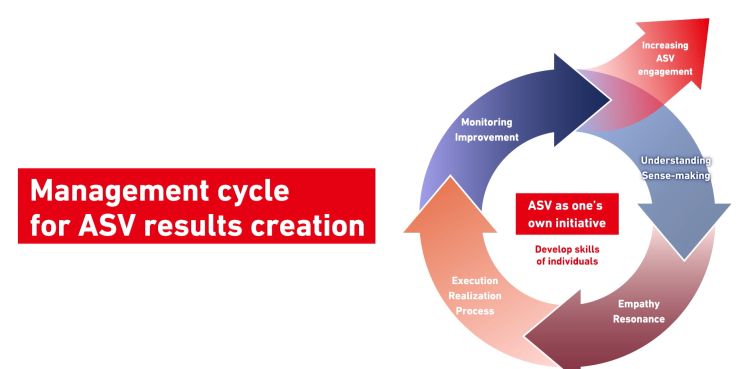
Under its ASV (Ajinomoto Group Creating Shared Value) Management Cycle, The Ajinomoto Group seeks to create both social and economic value, embedding social contribution into its core business strategy. The Group recognized that sustainability means investing not only in supply chains, but also in the people who sustain them.
Cassava, which supplies around 20 percent of the starch used in MSG production in Thailand, became a key testing ground for this principle of shared value creation. The company realized a simple truth: business sustainability equals farmer sustainability.
To secure a stable, transparent, and ethical cassava supply, The Ajinomoto Group began empowering farmers directly, helping them build resilience against climate shifts, disease, and market volatility while restoring the health of the soil that supports them. As the project evolved, the Group began developing a new “Bio-cycle” model: a circular, traceable sourcing system designed to strengthen farmer livelihoods while reducing greenhouse gas emissions (Scope 3) across the supply chain.
This model now links economic sustainability with environmental responsibility, showing how ASV can extend from individual farmers to the entire value chain.
Planting Hope and Cultivating Change: From Farmer Empowerment to Bio-cycle Creation
In 2020, Ajinomoto (Thailand) and Ajinomoto FD Green joined forces to reach beyond procurement and stand beside farmers. The result was the Thai Farmer Better Life Partner Project (TFBLPTM), a long-term initiative built on partnership, education, and science. From the beginning, the project recognized that the future of cassava—and the farming communities who cultivate it—required new partnerships and new approaches. These relationships later became the foundation for a broader circular model connecting farmers, starch processors, and The Ajinomoto Group’s production sites.
Key actions on the ground
- CMD-free cassava stems: Distributing disease-free planting material to protect yields and stop the spread of Cassava Mosaic Disease.
- Soil testing and analysis: Offering free diagnostic services to help farmers understand nutrient deficiencies and restore depleted soil.
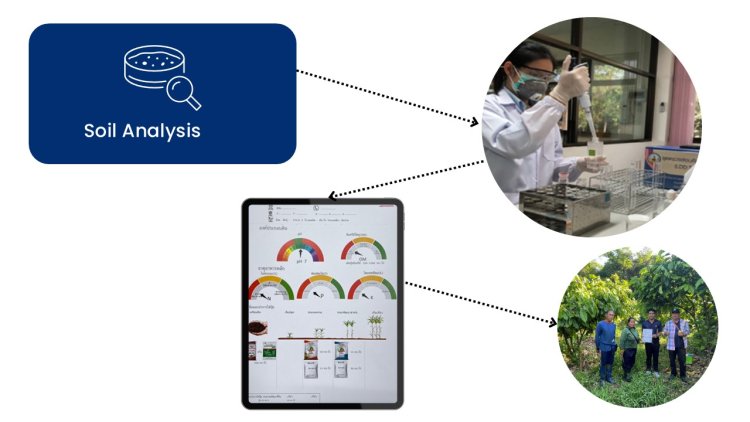
- Bio-fertilizers: Promoting sustainable alternatives like Rootmate®, Amimate®, Super Ash ™and Amina ® derived from The Ajinomoto Group’s amino acid fermentation by-products. These fertilizers reduce greenhouse gas emissions while enriching soil health.
- Farm schools and training programs: Creating spaces for farmers to learn modern, sustainable techniques in pest control, soil management, and efficient planting methods.
- Trial farmer program: Encouraging early adopters to test solutions on their own fields, providing a model for other farmers to follow.
- Public-private partnerships: Working with Thailand’s Land Development Department, universities, and research institutions to scale initiatives and share findings.
Together, these ground-level actions marked the first phase of TFBLPTM, laying the groundwork for a traceable, circular “Bio-cycle” in later years.
Human stories of transformation
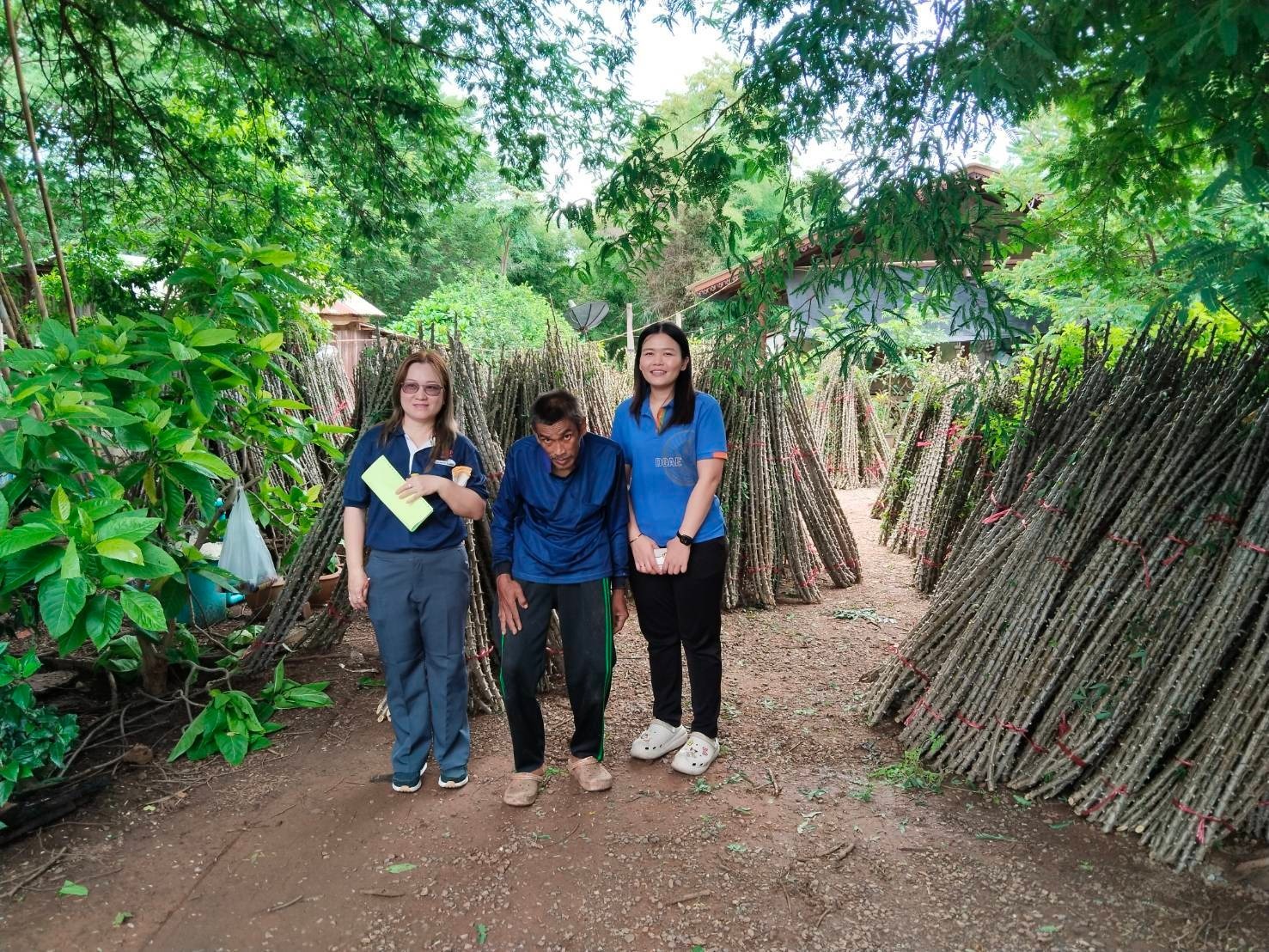
Skepticism was natural at first. Many farmers doubted that new methods could change much. Yet within a year, yields rose by 30 percent among those using CMD-free stems and balanced fertilizers. One farmer used the added income to send his daughter to secondary school. Others found pride in learning again, attending farm school sessions not out of obligation but out of excitement. Through shared progress, entire communities rediscovered dignity and hope with the realization that their land could heal and their future could grow from it.
Innovation beneath the soil
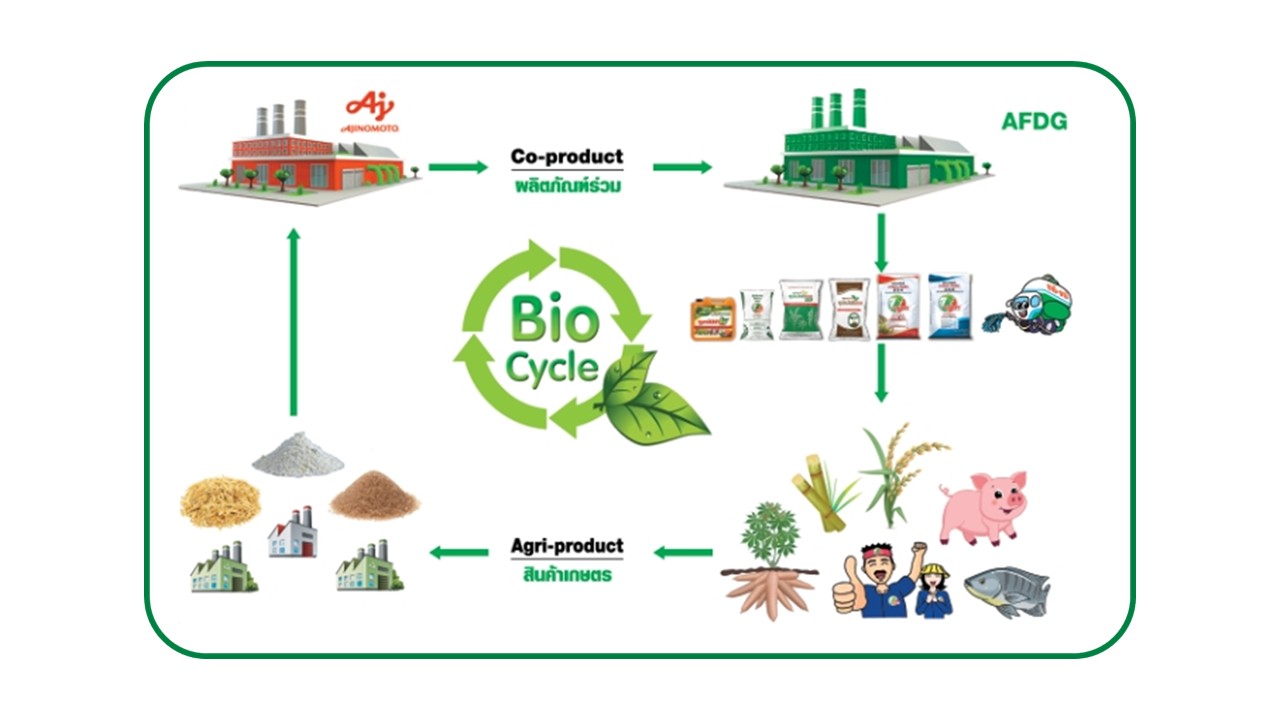
At the heart of TFBLPTM lies the Ajinomoto Group’s “AminoScience” approach: turning science into solutions for people and the planet. The fertilizers Rootmate®, Amimate®, Super Ash ™ and Amina ® embody a circular design in which what once was an industrial by-product now returns to the soil as nourishment. This closed loop became the origin of The Ajinomoto Group’s “Bio-cycle” concept and demonstrated how industrial innovation can connect production and nature while strengthening biodiversity, improving carbon balance, and creating a resilient foundation for future harvests.
New Chapter: Toward a Bio-cycle in Kamphaeng Phet
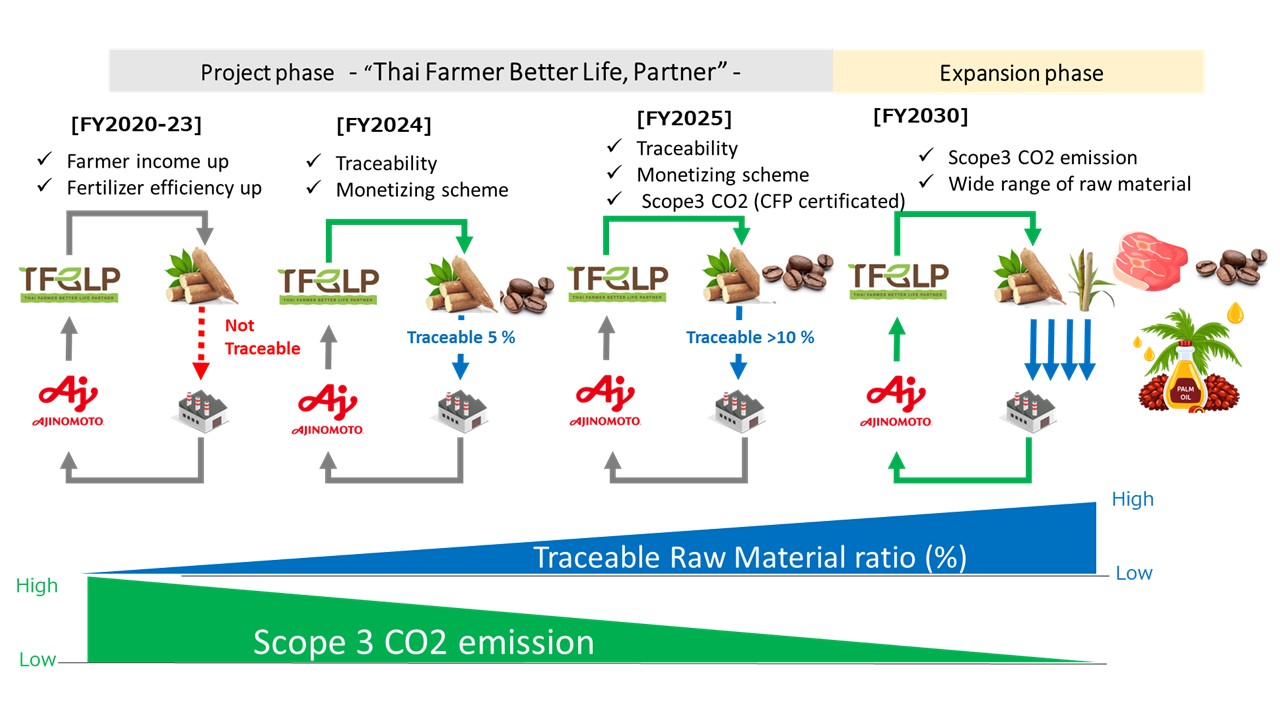
In 2024, Ajinomoto FD Green (AFDG) launched the next phase of the Thai Farmer Better Life Partner Project in Kamphaeng Phet Province, which involved establishing a new “Bio-cycle” that directly links cassava farmers using The Ajinomoto Group’s bio-fertilizers with local starch mills.
Through this integrated system, cassava roots are purchased directly from participating farmers, enabling full traceability from soil to starch. This traceable loop not only stabilizes farmer incomes through transparent pricing, but also contributes to reducing Scope 3 greenhouse gas emissions associated with raw materials used in MSG production.
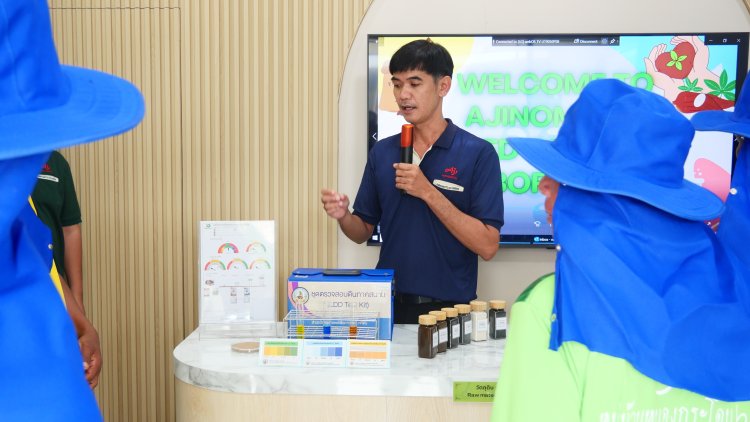
The bio-cycle represents a major shift from supporting individual farmers to transforming the entire value chain into a circular, low-carbon model. It demonstrates how social value and environmental responsibility can reinforce each other when science, business, and community are connected in practice.
Collaboration plays a central role in this new phase. AFDG works closely with starch processors, universities, and government agencies to ensure scalability and data transparency across Thailand’s cassava industry. Together, these partners are building a model of circular agriculture that others across Asia can follow — one rooted in the simple yet powerful idea that sustainability begins in the soil, and grows through partnership.
Recognition: The ASV Award Gold Prize
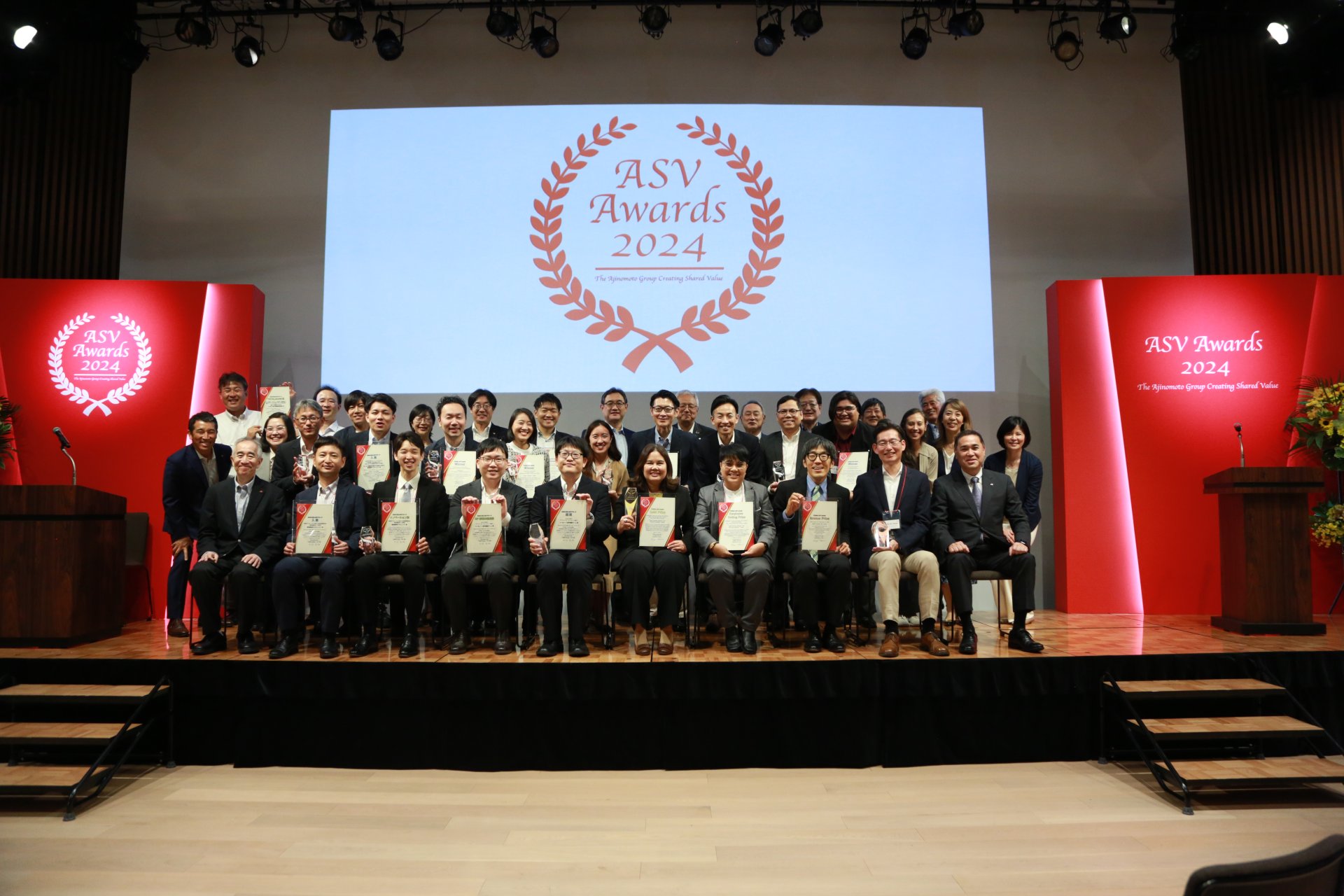
Each year, the Ajinomoto Group presents the ASV Award, its highest internal recognition for projects that truly embody the Group’s purpose to contribute to the well-being of all human-beings, our society and our planet with “AminoScience”, symbolized by the slogan: “Eat Well, Live Well.” The award celebrates initiatives that generate both social and economic value through sustainable innovation and collaboration.
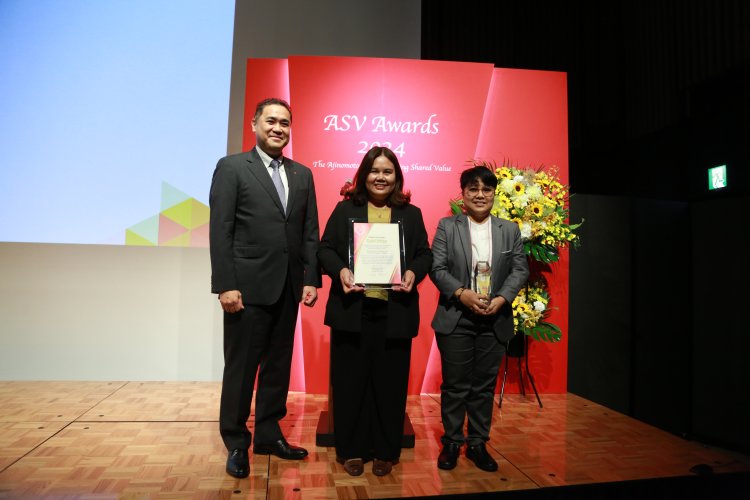
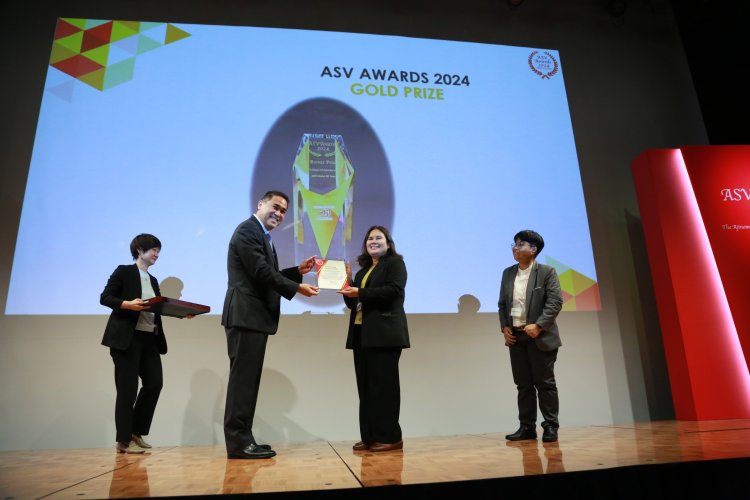
In 2024, the Thai Farmer Better Life Partner Project (TFBLPTM) was honored with the Gold Prize. The recognition represents more than an achievement in numbers: higher yields, lower emissions, or improved livelihoods. It reflects how TFBLPTM transformed from a local agricultural initiative into a living model of ASV in action, showing how business and community can grow stronger together.
Within the Ajinomoto Group’s ASV Management Cycle, this project demonstrates how purpose can be translated into practice. By connecting farmer well-being, circular agriculture, and climate action, TFBLPTM evolved into the foundation for the Group’s broader Bio-cycle model, a system that links sustainability from soil to society.
The award also carries a deeply human meaning. It honors not only the farmers, employees, and researchers who made the project possible, but also the shared spirit of partnership that turned a corporate program into a movement of hope. Today, TFBLPTM stands as an inspiration for similar initiatives across Asia, reaffirming The Ajinomoto Group’s belief that sustainable progress begins with people working hand in hand.
Check below the TFBLPTM members’ interview:
From Thailand to the World: COP30 and Global Impact
At COP30 in Brazil, the Ajinomoto Group placed agri food systems at the heart of the global climate discussion, presenting the Thai Farmer Better Life Partner Project (TFBLPTM) as a real-world example of circular, traceable agriculture.
Through its Bio-cycle model, TFBLPTM demonstrated how science, collaboration, and community engagement can decarbonize local farming economies while building resilience against environmental change. The project’s success shows that sustainability is not a distant vision but a living practice that connects soil, farmers, and global food systems.
- Building sustainable agrifood systems: supporting farmers through education, regenerative practices, and circular sourcing that secure both livelihoods and soil fertility.
- Advancing science-powered sustainability: applying “AminoScience” innovation to reduce greenhouse gas emissions, close nutrient loops, and create long-term value for people and the planet.
- Conserving biodiversity: reducing reliance on synthetic inputs while integrating waste-to-resource cycles that restore soil health and resilience.
Today, more than 8,000 farmers have participated in TFBLPTM training, with over 4,000 trial farmers implementing sustainable practices. The initiative aims to achieve a 10,000-ton reduction in CO₂ emissions by 2030, directly aligning with The Ajinomoto Group’s global commitment to halve its environmental impact.
Together, these achievements position the bio-cycle not only as a local success in Thailand but as a scalable framework for sustainable food systems worldwide, proof that smallholder empowerment can drive systemic climate solutions from the ground up.
Vision for 2030: Shared Well-Being
Looking ahead, The Ajinomoto Group aims to extend healthy life expectancy by one billion people and reduce its environmental impact by 50% by 2030, a vision that connects human health with planetary sustainability.
The bio-cycle model in Kamphaeng Phet stands as a scalable blueprint for achieving this balance. Its principles of circular agriculture and science-driven collaboration are now expanding into new fields such as animal feed, aquaculture, and other sectors that link nutrition, farming, and the environment. Through these efforts, the Group demonstrates how well-being, cultivated from the ground up, can grow across industries and borders alike.
As the sun sets once again over the cassava fields, the same farmer walks among thriving plants, the soil beneath his feet alive and rich with promise. The uncertainty that once clouded the horizon has given way to quiet assurance and renewed purpose.
From these roots in Thailand to the global stage at COP30 in Brazil, the Ajinomoto Group shows that local action can shape global sustainability, turning community partnerships into a blueprint for planetary well-being. What began as a single act of support for farmers now stands as proof that when science, partnership, and purpose move together, sustainability becomes not a distant goal, but a shared way of life


Stories you may like

INNOVATIVE GYOZA 20XX
- Amino Acids
- Environment
- Food & Wellness
- Health and Well-being
- Sustainability / SDGs

From the Taste of Japan to the World
- Amino Acids
- Environment
- Food & Wellness
- Health and Well-being
- Sustainability / SDGs
“Deliciousness Technology” at Work Around the World
- Amino Acids
- Environment
- Food & Wellness
- Health and Well-being
- Sustainability / SDGs