
How “AminoScience” Innovation Strengthens Climate Resilience

Reading Time: 6 minutes
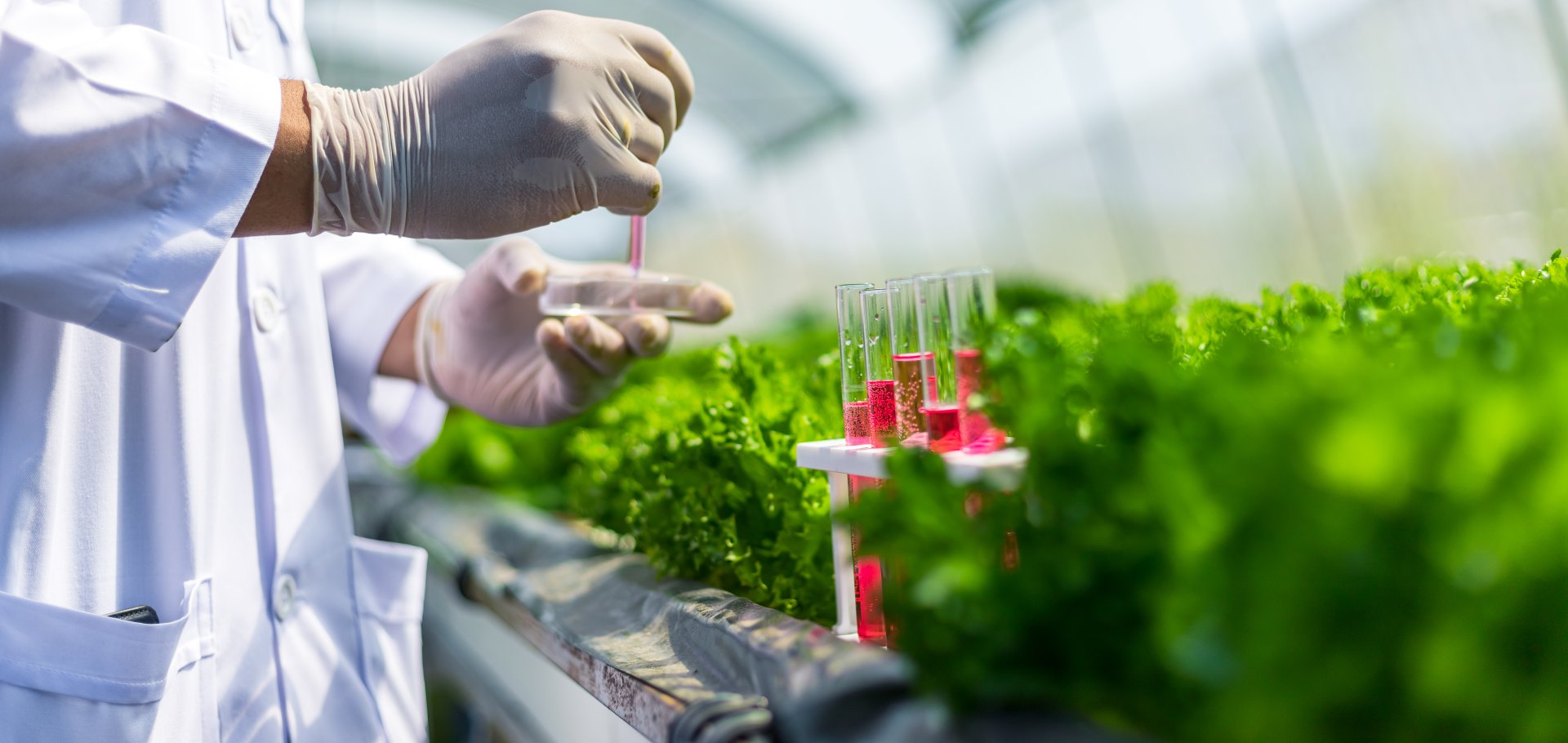
With over a century of amino acid research, the Ajinomoto Group is helping farmers lower emissions, support crop productivity and build climate resilience, demonstrating how science can assist agrifood systems transformation
Every meal we eat connects us to a global agrifood system that spans farms, factories and supply chains. These systems feed billions and help sustain rural economies, but also carry environmental costs. According to the UN Food and Agriculture Organization, agrifood systems account for roughly one-third of human-caused greenhouse gas emissions, equivalent to 16.2bn tonnes of CO2 annually.
Agriculture is at the center of this challenge. It is both a significant source of emissions and one of the sectors most vulnerable to climate impacts. Increasingly, extreme weather events such as droughts, floods and heatwaves are eroding crop yields, destabilizing feed supply chains and threatening the economic resilience of farmers. As these climate pressures intensify, the world is recognizing that transforming agrifood systems must be central to climate solutions. This momentum was evident at COP30 in Brazil, where transforming agriculture and food systems were a core pillar of the dialogue. The discussions in Belém underscored the need not only to mitigate agriculture’s impact, but also to reimagine how food is produced in ways that are lower-impact and more resilient to climate stress.
Scientific advances are beginning to reshape this landscape: breakthroughs in microbial science, fermentation and nutrient delivery are unlocking new tools aimed at lowering emissions and improving productivity. These innovations represent emerging ways of applying biotechnology to agrifood systems – supporting efforts to improve ecosystem health, strengthen resilience and help sustain the global food supply.
Reducing livestock emissions through nature-based solutions
Livestock and crop production, especially cattle, are among the most significant sources of agricultural emissions, releasing potent greenhouse gases from ruminant digestion and nitrous oxide from fertilizers and manure. These gases trap significantly more heat in the atmosphere than carbon dioxide, making livestock production a particularly high-impact area for climate mitigation.
Targeted interventions are beginning to deliver results. Amino acids, the building blocks of protein and essential nutrients for all living organisms – as well as microbial inputs derived from fermentation – are driving advances in livestock production, including improved digestion, reduced waste and lower greenhouse gases (GHG) emissions.
As a pioneer in amino acid innovation, the Ajinomoto Group has drawn on more than a century of research in amino acids and fermentation. The Group has developed “AminoScience”, a science-based approach to deliver benefits across agrifood systems, human health, and efforts to reduce environmental impact.
One application is AjiPro™-L, a lysine supplement for dairy and beef cattle that enhances nutrient delivery by protecting lysine during digestion and releasing it in the small intestine. According to our internal estimates, AjiPro™-L has the potential to reduce greenhouse gas emissions by up to 1 metric tonne of CO2-equivalent per cattle annually. This includes estimated reductions of approximately 25 percent in nitrous oxide emissions from manure. By improving nutrient absorption, the supplement also reduces reliance on protein-intensive feed ingredients such as soy, with internal estimates suggesting a potential reduction of feed-related emissions by approximately 20 percent.
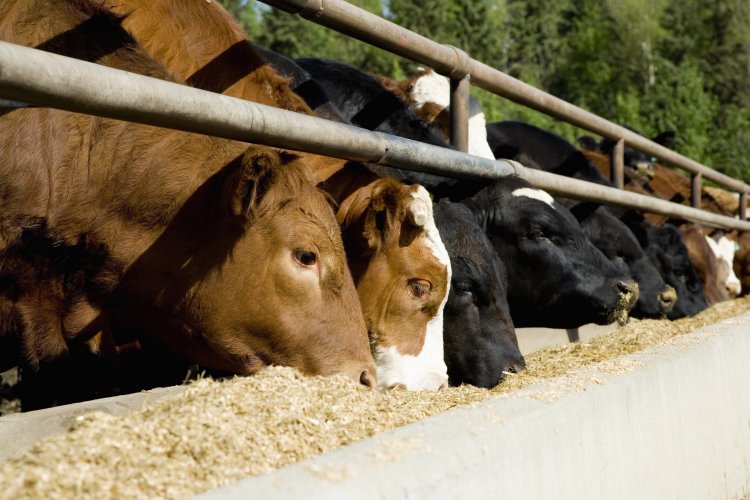
To ensure this innovation reaches farmers and communities at scale, collaboration is essential. Through a partnership with Danone and other dairy and beef manufacturers, this solution is being rolled out across global dairy and beef supply chains. According to the Ajinomoto Group, the initiative aims to help reduce emissions, lower feed costs and improve resilience and profitability for farmers facing growing economic and environmental pressures.
In addition to these potential benefits, the Ajinomoto Group has begun generating carbon credits under Japan’s government-run J-Credit Scheme through the use of AjiPro™-L, which certifies emission reduction activities and offers an incentive pathway for farmers. In collaboration with partners including Meiji Group and Kagoshima Prefecture, the Ajinomoto Group is expanding the program across dairy and beef operations in Japan. Insights from this work are contributing to the ongoing efforts to develop science-based approaches to support emission reduction in livestock farming with potential for wider application globally.
Strengthening climate resilience in agriculture
Beyond livestock emissions, healthy soils are the foundation of resilient agrifood systems, yet they face growing strain due to intensifying climate volatility. Soil degradation, compounded by harsher droughts, heatwaves and unpredictable rainfall are disrupting harvests, threatening livelihoods, and straining the food security of regions that depend on staple crops such as rice and wheat. These shocks create ripple effects that can destabilize global food supply chains.
One area of innovation showing promise is biostimulants. Drawing on amino acid science, biostimulant formulations — soil-enhancing inputs — have been developed using nutrient-rich co-products from the amino acid fermentation process. In the Ajinomoto Group’s broader research, these inputs have been shown to reduce farmers’ dependence on chemical fertilizers, boost plant resilience, with separate trials showing potential yield increases of up to 24 per cent and reductions in fertilizer and water use by as much as 25 per cent, based on internal research findings.
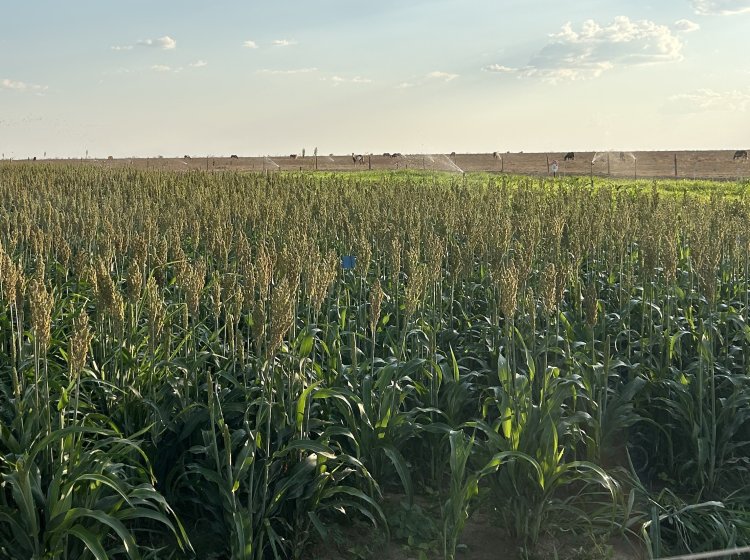
(Brazil farmland treated with biostimulants to monitor crop growth and yield performance.)

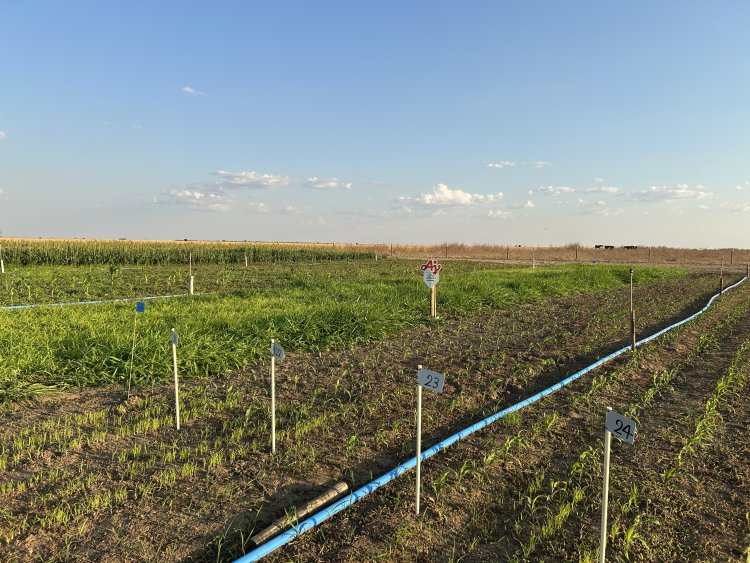
(Example of degraded pasture.)
Applications of biostimulants are now being tested through initiatives like the Japan–Brazil Green Partnership Initiative, which is piloting practical solutions to restore degraded pastureland in Brazil, a country central to global food production. Still in the demonstration phase, this initiative offers a scalable model for recovering farmland productivity and improving plant growth, underscoring how global collaboration and science-based innovation can help deliver more climate-resilient agrifood systems.
A scalable path forward for agrifood transformation
These solutions — from lower-emission livestock feed to soil-restoring biostimulants — may target different parts of the value chain, but together they demonstrate an innovative approach.
They show how “AminoScience”, a science-based approach developed from over a century of amino acid research, is being applied to turn scientific insights into practical tools aimed at improving productivity, supporting emissions reduction and contributing to more resilient ecosystems.
The transformation of agrifood systems is no longer theoretical; it is underway with the help of science-based solutions. At COP30, where agrifood systems were central to the global dialogue, partnerships across the private sector, governments and farmers emerged as critical to turning ambition into action. The challenge is immense, but so is the opportunity: embedding science and innovation in agrifood systems can help secure a climate-resilient food future.
*This content was paid for and produced by the Ajinomoto Group in partnership with the Commercial Department of the Financial Times.



Stories you may like

INNOVATIVE GYOZA 20XX
- Amino Acids
- Environment
- Innovation
- Sustainability / SDGs

From the Taste of Japan to the World
- Amino Acids
- Environment
- Innovation
- Sustainability / SDGs

“Deliciousness Technology” at Work Around the World
- Amino Acids
- Environment
- Innovation
- Sustainability / SDGs